
Dark Romantic Style: What Wuthering Heights Reveals About Identity, Emotion, and Personal Image
Dark Romantic Style and What Wuthering Heights Reveals About Identity, Emotion, and Personal Image: Few films express the connection between identity and clothing as powerfully as Wuthering Heights. Long before modern conversations about style psychology or personal branding, the story embodied a truth that remains relevant today: how we dress reflects our emotional world, our identity conflicts, and our sense of belonging.
The enduring fascination with the Wuthering Heights aesthetic is not only about romance or drama. It is about what we now recognize as dark romantic style—a visual language of intensity, longing, rebellion, and untamed self-expression.
Understanding this style offers insight into how clothing communicates identity and emotion, and why certain aesthetics feel profoundly authentic for some individuals.
What Is Dark Romantic Style?
Dark romantic style combines emotional depth with dramatic softness. It often includes:
- flowing silhouettes
- wind-touched hair or natural texture
- muted or shadowed color palettes
- tactile fabrics like wool, linen, or velvet
- historical or timeless elements
- restrained yet intense presence
Unlike overtly glamorous or structured fashion, dark romantic style feels elemental. It evokes nature, solitude, memory, and emotional intensity.
This aesthetic resonates with people whose inner world is introspective, passionate, or psychologically complex. Clothing becomes less about trend and more about emotional truth.
The Wuthering Heights Aesthetic: Wild vs Refined Identity
At the center of Wuthering Heights lies one of the clearest identity conflicts in literature and film: the tension between authentic self and social self.
Catherine’s visual transformation illustrates this conflict through clothing:
- On the moors: loose hair, simple fabrics, movement, earth tones
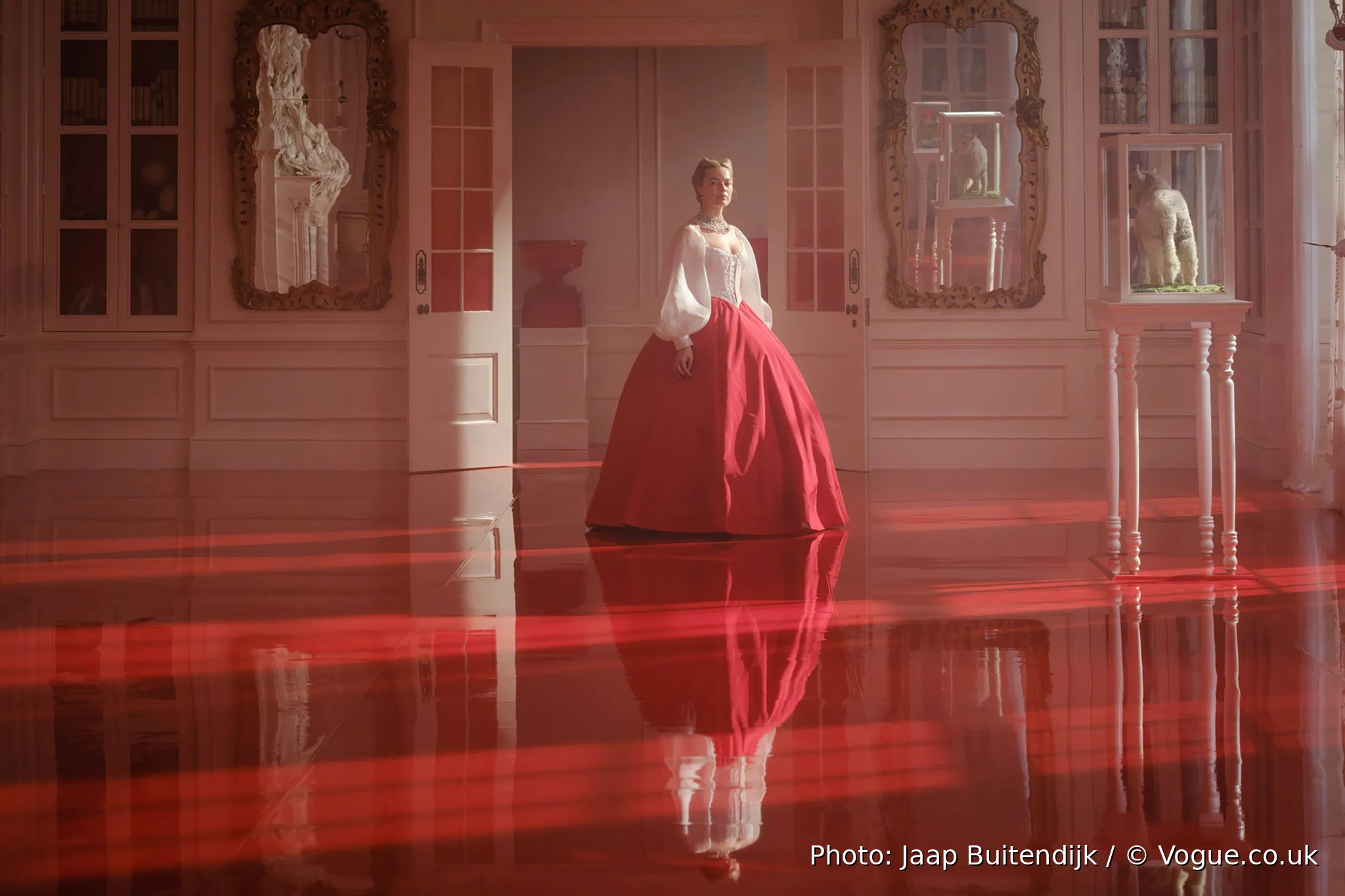
- In society: refined silhouettes, controlled posture, aristocratic polish
These two wardrobes represent two identities:
- wild self (instinctive, free, emotional)
- refined self (acceptable, structured, socially aligned)
This tension is still visible in modern personal styling. Many individuals feel pulled between:
- authentic expression vs professional image
- emotional identity vs social expectation
- natural presence vs curated appearance
The Wuthering Heights aesthetic endures because this conflict is timeless.
Catherine Earnshaw and the Dark Feminine Style Archetype
Catherine embodies what can be described as the dark feminine style archetype. This archetype is defined not by darkness in mood, but by emotional depth and intensity.
Visual traits associated with this archetype include:
- movement over rigidity
- softness with shadow
- minimal ornamentation
- expressive texture
- organic presence
Her clothing never feels decorative. It feels lived-in and elemental, as if shaped by landscape and emotion rather than society.
This explains why Catherine’s appearance remains visually powerful across film adaptations. The styling communicates personality before dialogue.
Heathcliff: Outsider Identity and Visual Contrast
Heathcliff’s clothing reinforces his psychological position in the story: outsider, rebel, and emotional mirror to Catherine.
Key visual elements include:
- dark coats and severe lines
- minimal embellishment
- weathered textures
- somber palette
His appearance contrasts with aristocratic refinement, emphasizing alienation and intensity. Together, Catherine and Heathcliff create a shared visual language of dark romantic style that stands apart from social norms.
In personal image terms, both characters illustrate how clothing can signal:
- belonging vs exclusion
- alignment vs resistance
- conformity vs individuality
What Dark Romantic Style Reveals About Emotional Dressing
Modern styling often focuses on body shape, trends, or color palettes. Yet Wuthering Heights demonstrates another dimension: emotional dressing.
Emotional dressing occurs when clothing expresses inner states such as:
- longing
- intensity
- solitude
- nostalgia
- rebellion
- sensitivity
Individuals drawn to dark romantic style frequently value authenticity over approval. Their clothing choices reflect internal experience rather than external expectation.
This is why certain aesthetics feel immediately “right” to someone while others feel inauthentic, regardless of trend or flattery.
Identity Alignment: The Real Lesson of Wuthering Heights
The tragedy of Catherine’s story is not only romantic. It is also visual and psychological: she abandons her authentic identity to adopt a socially acceptable image.
Her famous internal conflict—belonging to both worlds yet fully to neither—is mirrored in her clothing transformation.
From a personal styling perspective, this illustrates a central principle:
When clothing contradicts identity, internal tension emerges.
Many modern style struggles reflect the same dynamic:
- dressing for role instead of self
- imitating an aesthetic that lacks resonance
- suppressing emotional expression through clothing
Why the Wuthering Heights Aesthetic Still Resonates Today
The renewed interest in dark romantic style reflects broader cultural shifts toward:
- introspection and individuality
- emotional authenticity
- natural textures and timeless silhouettes
- rejection of overly curated perfection
As digital culture amplifies polished imagery, many people gravitate toward aesthetics that feel human, imperfect, and emotionally real.
The Wuthering Heights aesthetic embodies this authenticity. It suggests presence rather than performance.
Applying Dark Romantic Style in Personal Image
For individuals drawn to this aesthetic, alignment often comes from subtle elements rather than costume.
Modern dark romantic style may include:
- soft, draped fabrics
- natural fiber textures
- subdued color palettes
- minimal structure
- organic movement
- understated historical references
The goal is not theatricality but emotional coherence—clothing that feels psychologically accurate.
Personal Image as Emotional Language
Wuthering Heights endures because it reveals a universal truth: clothing communicates identity beyond words.
Dark romantic style illustrates how personal image can express:
- emotional depth
- authenticity
- inner conflict
- belonging
- individuality
Understanding this connection allows styling to move beyond appearance toward meaning.
Final Insight
Dark romantic style is not merely an aesthetic preference. It is a visual expression of identity and emotional truth.
Through Catherine and Heathcliff, Wuthering Heights shows that clothing can embody longing, rebellion, and belonging simultaneously. The story reminds us that personal image is most powerful when it reflects who we are rather than who we believe we should be.
For modern personal styling, this remains the central principle: authentic identity creates coherent image.
FAQs Dark Romantic Style: What Wuthering Heights Reveals About Identity, Emotion, and Personal Image
What is dark romantic style?
Dark romantic style is an aesthetic that expresses emotional depth, softness, and intensity through clothing. It often includes flowing silhouettes, muted colors, natural textures, and timeless or historical elements. The style reflects introspection, individuality, and emotional authenticity rather than trend-driven fashion.
What is the Wuthering Heights aesthetic?
The Wuthering Heights aesthetic refers to the visual style seen in the story’s characters and landscape—wind-swept hair, natural fabrics, earth tones, and dramatic simplicity. It combines wild, elemental presence with restrained historical elegance, representing emotional intensity and identity conflict.
How does clothing express personality?
Clothing communicates personality through silhouette, texture, color, and structure. Individuals often choose styles that mirror their inner traits, emotional tendencies, and sense of identity. Aesthetic preferences frequently align with psychological characteristics such as sensitivity, boldness, or restraint.
What is emotional dressing?
Emotional dressing is the concept that clothing choices reflect inner emotional states and identity. People may select garments that express longing, confidence, rebellion, softness, or introspection. This connection explains why certain styles feel authentic while others feel uncomfortable.
What is authentic personal style?
Authentic personal style occurs when clothing aligns with an individual’s personality, lifestyle, and identity rather than external expectations. It creates coherence between inner self and outer image, resulting in confidence and visual consistency.