
Smart Wardrobe Edit Checklist: How to Audit Your Closet Like a Professional Stylist
A great wardrobe isn’t built by shopping more—it’s built by using a Wardrobe Edit Checklist smarter.
If your closet feels full yet you still say “I have nothing to wear,” the issue isn’t a lack of clothing. It’s a lack of clarity.
A professional wardrobe edit helps you:
- Identify what truly flatters you
- Eliminate pieces that drain your style confidence
- Create outfits effortlessly
- Stop wasting money on impulse buys
- Build a closet that actually supports your lifestyle and career
This Smart Wardrobe Edit Checklist walks you through how to audit your closet strategically—just like an image consultant or personal stylist would—so every piece earns its place.
Why Most Closet Clean-Outs Don’t Work
Most people approach wardrobe edits emotionally:
- “But it was expensive…”
- “I might wear it someday…”
- “I used to love this…”
- “It still has tags…”
That leads to overstuffed closets and underused clothing.
Stylists look at wardrobes differently. We evaluate based on:
- Fit
- Color harmony
- Lifestyle relevance
- Style identity
- Versatility
- Quality
- Condition
If a garment fails too many of those categories, it isn’t serving you—no matter how much it cost.
Wardrobe Edit Checklist Step 1: Define the Life You’re Dressing For Now
Before touching a hanger, ask:
- What does my current life require? (Work, travel, events, parenting, entrepreneurship?)
- How formal is my day-to-day reality?
- What image do I need to project professionally?
- How do I want to feel in my clothes?
Your wardrobe should reflect your present life, not a past version of you—or a fantasy one.
Wardrobe Edit Checklist Step 2: Pull Everything Out (Yes—Everything)
A real wardrobe audit requires seeing the full picture.
Lay items on:
- Your bed
- A rack
- The floor (by category)
Group by:
- Tops
- Bottoms
- Dresses
- Jackets
- Shoes
- Accessories
You’ll instantly spot patterns—duplicates, neglected colors, and categories you over- or under-own.
Wardrobe Edit Checklist Step 3: Try Things On—No Guessing Allowed
Hangers lie. Bodies don’t.
Try pieces on and ask:
- Does it fit right now?
- Is it flattering my proportions?
- Does it make me feel confident?
- Would I wear this to an important meeting or dinner?
- Does it align with my current style level?
Create four piles:
✔ Keep – Fits, flatters, gets worn
⚠ Tailor – Close, but needs adjustment
♻ Donate/Sell – No longer serves
📦 Archive – Sentimental or special-occasion only
Be ruthless with anything that hasn’t been worn in two years—unless it serves a very specific role.
Wardrobe Edit Checklist Step 4: Edit by Color Harmony
One of the biggest professional secrets?
Closets feel chaotic when colors don’t work together.
Look at:
- Your dominant neutrals
- Your accent colors
- Repeated shades you love
- Colors you never reach for
If you’ve had professional color analysis, this step becomes powerful. Pieces outside your ideal color range often look “fine” but never great—which is why they stay unworn.
Wardrobe Edit Checklist Step 5: Identify Your Real Style Formula
Stylists build wardrobes around formulas, not random outfits.
Notice:
- Your favorite silhouettes
- Necklines you repeat
- Shoe styles you rely on
- Jacket shapes that define you
- Jewelry you always reach for
That’s your personal style architecture.
When shopping in the future, you buy inside this structure—so everything mixes effortlessly.
Wardrobe Edit Checklist Step 6: Assess Lifestyle Coverage
Ask:
- Do I have enough work outfits?
- Travel outfits?
- Casual but polished looks?
- Event options?
- Weather-appropriate pieces?
Most closets are heavy in aspirational items and light in real-life workhorses.
Your goal is high rotation—pieces worn weekly, not annually.
Wardrobe Edit Checklist Step 7: Create a Gap List (Before Shopping Again)
Only after editing should you shop.
Write down:
- Missing basics
- Shoes that limit outfits
- Jackets you rely on too much
- Colors you lack
- Occasion gaps
- Upgrades needed
This prevents random buying and turns shopping into a strategy, not entertainment.
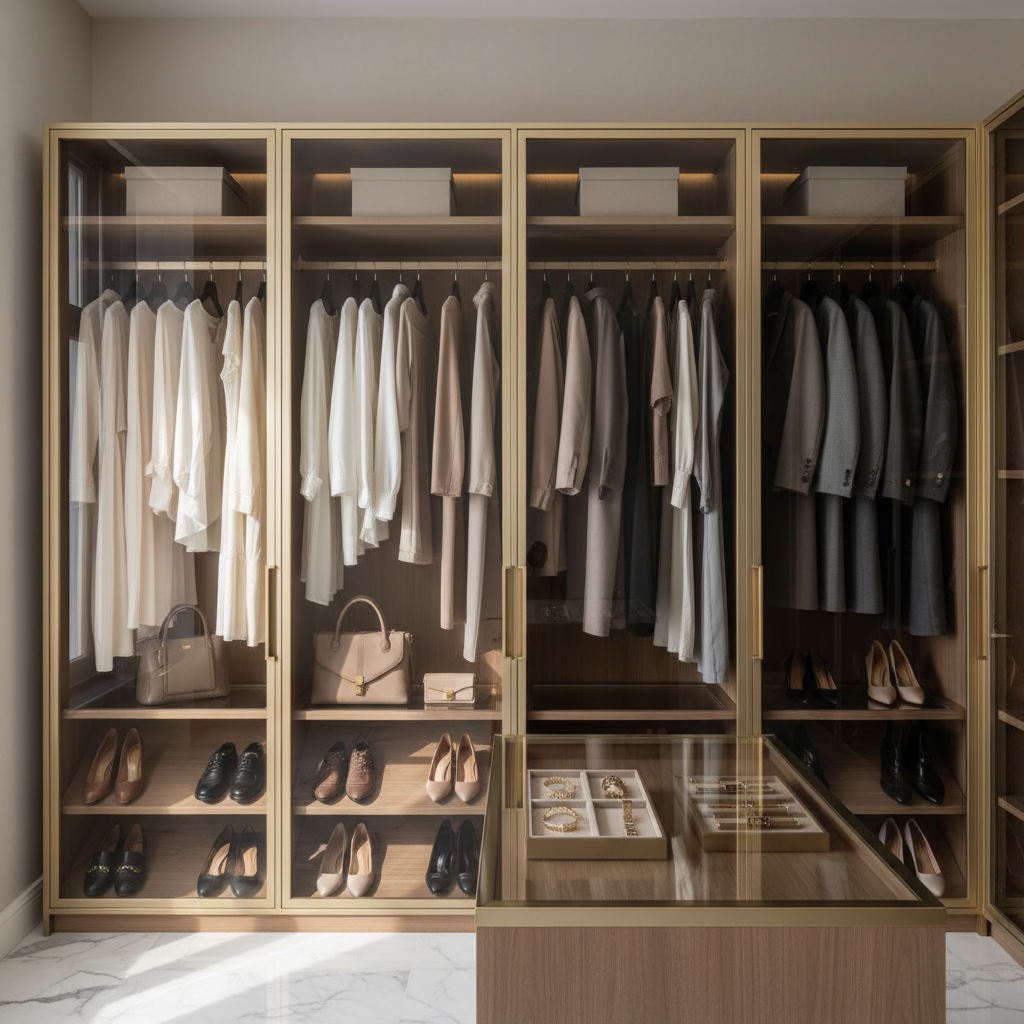
Wardrobe Edit Checklist Step 8: Organize for Visibility and Ease
Once edited:
- Face hangers the same direction
- Arrange by category, then color
- Store off-season separately
- Keep everyday shoes visible
- Display accessories so you actually use them
A well-organized closet increases outfit creativity and saves time every morning.
Why a Professional Wardrobe Edit Changes Everything
Clients are always shocked by how different their closets feel after a stylist-led audit.
They report:
- Getting dressed faster
- Wearing more of what they own
- Shopping less—but better
- Feeling sharper at work
- Receiving more compliments
- Understanding their style clearly for the first time
It’s not about minimalism.
It’s about intentional luxury—owning pieces that earn their place.
Ready to Take Your Wardrobe to the Next Level?
A Smart Wardrobe Edit is often the first step professional stylists use with clients—and the foundation of building a powerful personal image.
If you’re interested in learning how professionals perform wardrobe audits, style analysis, and image consulting at the highest level, online training programs like those offered through Sterling Style Academy teach the full methodology behind transforming closets strategically, not emotionally.
Because the best wardrobes aren’t accidental. They’re designed.
Ready to Experience a Professional Wardrobe Edit Firsthand?
You can schedule a consultation through Sterling Personal Styling and combine LIVE Online Color Analysis + Virtual Closet Cleanse for US$597—a powerful way to identify your best colors, edit what you already own, and rebuild your wardrobe strategically.
Frequently Asked Questions
1. How long does a full wardrobe edit take?
Most closet audits take between 2–4 hours, depending on closet size and how decisively you edit. Virtual wardrobe consultations often streamline the process because a stylist guides decisions in real time.
2. What is a virtual closet cleanse?
A virtual closet cleanse is an online session with a stylist who walks you through your wardrobe via video, helping you decide what to keep, tailor, donate, or replace—without requiring an in-person visit.
3. Do I need color analysis before editing my wardrobe?
Color analysis isn’t required, but it dramatically improves results. Knowing your best shades makes it easier to remove underperforming items and build outfits that look intentional and polished.
4. How often should I audit my closet?
A professional wardrobe edit is recommended once or twice a year—especially after lifestyle changes, career shifts, or major body changes.