

Fashion School vs Personal Stylist Training: What Actually Prepares You for Clients?
Choosing between Fashion School vs Personal Stylist Training is one of the biggest decisions you’ll face when starting your career in the style industry. The debate of Fashion School vs Personal Stylist Training is more relevant than ever for aspiring professionals who want to work directly with clients. Fashion school and personal stylist training each offer unique benefits, but understanding what truly prepares you for real-world client work is essential for building a successful career. In this article, we’ll dive into the key distinctions between Fashion School vs Personal Stylist Training, helping you determine which path will empower you with the skills, confidence, and expertise to thrive as a personal stylist.
While both paths offer valuable knowledge, only one is specifically designed to prepare you for the realities of working directly with clients. This article will break down the differences between traditional fashion school and focused personal stylist training. We will explore the curriculum, skills, and career outcomes of each to determine what actually prepares you to build a successful styling business.
Fashion School vs Personal Stylist Training: Fashion School – A Broad Foundation
Fashion schools provide a comprehensive, often theoretical, education in the fashion industry as a whole. These multi-year degree programs are structured to give students a broad understanding of design, history, merchandising, and production.
What You Learn in Fashion School
A typical fashion school curriculum is diverse and covers a wide range of subjects. Students can expect courses in:
- Fashion History: Studying the evolution of style, iconic designers, and cultural movements that shaped clothing.
- Design and Illustration: Learning to sketch concepts, create mood boards, and develop original designs.
- Textiles and Materials: Understanding fabric properties, sourcing, and their application in garment construction.
- Pattern Making and Sewing: Gaining hands-on experience in creating garments from scratch.
- Merchandising and Marketing: Exploring the business side of fashion, including retail buying, brand management, and promotional strategies.
This academic approach is excellent for those who want to become fashion designers, merchandisers, or trend forecasters. It builds a strong foundational knowledge of how the industry operates from the inside out.
The Gap Between Theory and Client Work
While fashion school provides an impressive education, it often falls short in preparing students for the specific demands of personal styling. The curriculum is generally not client-centric. You might learn how to design a collection, but you likely won’t learn how to conduct a client consultation, perform a color analysis, or manage a client’s wardrobe budget.
The focus is on the art and business of fashion as a product, not as a service for an individual. Graduates may leave with a deep appreciation for couture but lack the practical skills needed to help a real person discover their personal style and build a functional wardrobe for their life.
Fashion School vs Personal Stylist Training: Personal Stylist Training – Specialized for Success
In contrast, personal stylist training is a focused, practical program designed for one purpose: to equip you with the skills to become a working image consultant and personal stylist. These programs, like the intensive courses offered at Sterling Style Academy, are built around the day-to-day realities of the profession.
What You Learn in a Stylist Training Program
Specialized training cuts straight to the essential skills you need to serve clients effectively. The curriculum is laser-focused on practical application and business development. Key areas of study include:
- Client Consultation and Psychology: Learning how to ask the right questions, understand a client’s needs, and build the trust necessary for a successful relationship.
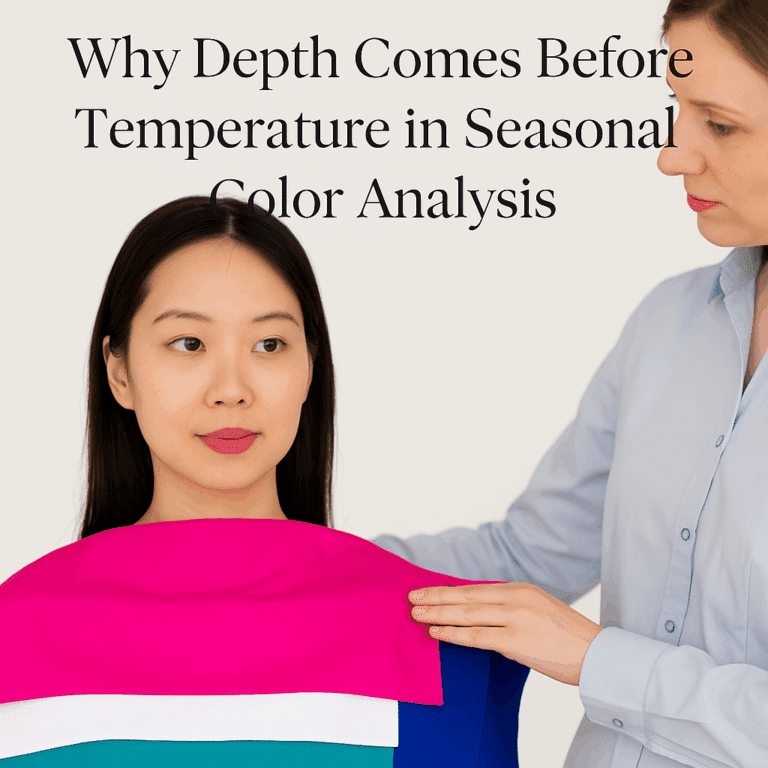
- Color and Body Shape Analysis: Mastering the technical skills to identify a client’s most flattering colors and recommend clothing that enhances their body shape.
- Wardrobe Strategy and Closet Editing: Developing methodologies for assessing a client’s existing wardrobe, identifying gaps, and creating a strategic plan for future purchases.
- Personal Shopping Techniques: Understanding how to efficiently navigate retail environments, pre-shop for clients, and make smart purchasing decisions that align with their budget and style goals.
- Business and Marketing: Gaining the knowledge to set up your business, define your services, establish pricing, and market yourself to attract your ideal clients.
This hands-on approach ensures that graduates are not just knowledgeable about fashion, but are fully prepared to launch their careers immediately.
Why It’s the Direct Path to Client Work
Personal stylist training is built by industry professionals who have successful styling careers themselves. They understand what it takes to succeed and structure their programs to deliver that expertise directly to you. Instead of spending years on broad theoretical concepts, you immerse yourself in the practical tools and techniques that produce real results for clients.
The focus is always on the client. You learn how to solve their problems, boost their confidence, and provide a valuable service they will be happy to pay for. This client-centric model is what separates a knowledgeable fashion enthusiast from a professional, in-demand personal stylist.
Fashion School vs Personal Stylist Training: Comparing the Two Paths
| Feature | Fashion School | Personal Stylist Training |
|---|---|---|
| Duration | 2-4 years | A few days to several weeks |
| Cost | High (tens of thousands of dollars) | Moderate (a few thousand dollars) |
| Curriculum Focus | Broad industry knowledge (design, history, merchandising) | Client-focused skills (consulting, styling, business) |
| Primary Goal | Prepare for various roles within the fashion industry | Prepare for a career as a personal stylist |
| Client Skills | Limited or non-existent | Core component of the curriculum |
| Business Training | General marketing; not specific to service businesses | Specific training on pricing, service creation, and marketing for stylists |
| Career Readiness | Requires further specialization or entry-level roles | Ready to launch business and take clients immediately |
As the comparison shows, if your dream is to work one-on-one with individuals and help them transform their image, personal stylist training is the most direct and effective path.
Take the First Step Toward Your Styling Career: Fashion School vs Personal Stylist Training
Choosing the right education is the most important decision you will make when starting your styling journey. While a love for fashion is essential, it isn’t enough to build a thriving business. You need a specific skill set focused on client needs, practical application, and business acumen.
A traditional fashion school degree offers a wonderful, in-depth education about the industry, but it is not designed to make you a personal stylist. Specialized personal stylist training is the bridge between your passion for fashion and a profitable, rewarding career helping others. It provides the exact tools, expert guidance, and business strategies you need to work with clients confidently from day one.
Are you ready to stop dreaming and start doing? Sterling Style Academy’s acclaimed 5-Day Personal Stylist Training is the perfect launchpad for your career. In this intensive, hands-on program, you will learn everything you need to know to become a certified, client-ready personal stylist. Enroll today and turn your passion into your profession.