

How to Become a Fashion Stylist (2026 Career Guide)
The fashion landscape is shifting rapidly. While social media has made “style” more visible than ever, the demand for true, technically skilled professionals is at an all-time high. In 2026, becoming a successful fashion stylist requires more than just good taste—it demands a strategic mix of technical knowledge, business acumen, and hands-on experience.
If you have an eye for detail and a passion for helping others look their best, this career offers incredible opportunities. But how do you move from admiring fashion to getting paid for it? This guide breaks down exactly what a fashion stylist is, the skills you need to succeed, and the step-by-step path to launching your career this year.
What Is a Fashion Stylist?
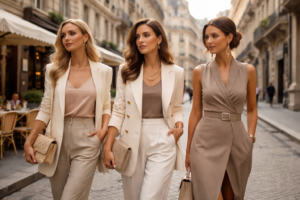
A fashion stylist is a professional who curates clothing, accessories, and overall looks for individuals, brands, or media publications. Unlike a designer who creates the garment, a stylist takes existing pieces and combines them to tell a story, sell a product, or enhance a client’s personal image.
Stylists work with the elements of design—color, line, texture, and silhouette—to create visual harmony. They don’t just “shop.” They analyze body shapes, interpret trends, and understand the psychology behind why we wear what we wear.
The Distinction Matters:
- Fashion Stylist: A professional trained in fit, color theory, and body architecture who works with clients or brands.
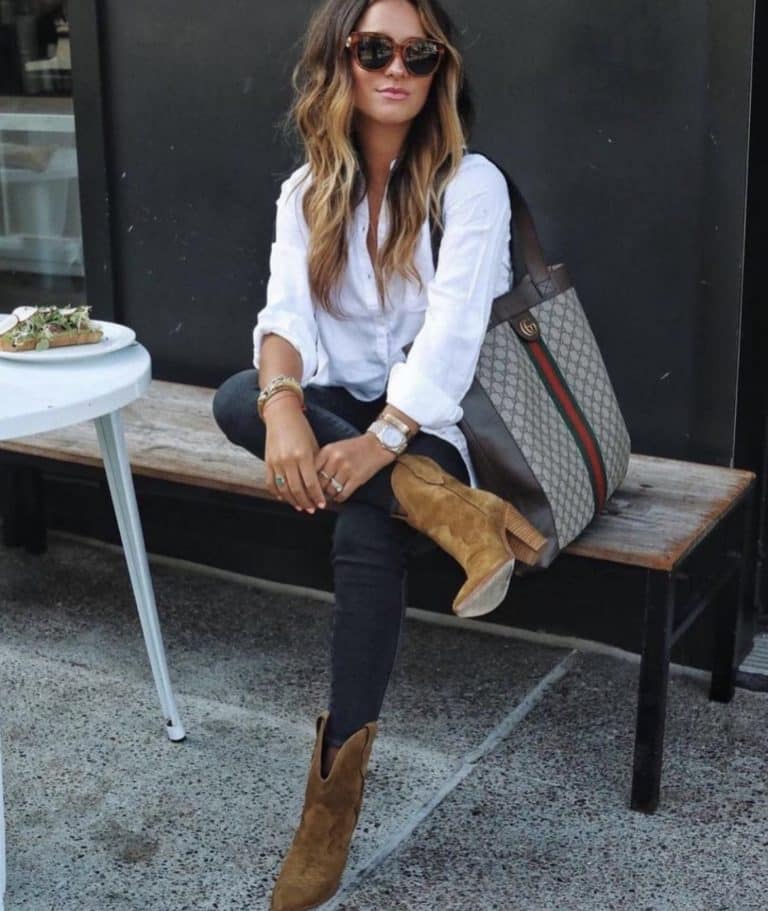
- Influencer: A content creator whose primary goal is engagement and sponsorship, often focused on his own personal style rather than a client’s needs.
- Personal Shopper: Someone who locates items for clients but may lack the technical styling expertise to build cohesive wardrobes or execute editorial concepts.
Types of Fashion Stylists
The field is vast, and knowing your niche is the first step to success.
- Personal Stylists: Work one-on-one with everyday clients to revamp wardrobes, shop for new clothes, and define personal style.
- Editorial and Fashion Stylists: Collaborate with photographers, art directors, and models to create images for magazines, blogs, and digital media.
- Celebrity Stylists: Manage the public image of high-profile individuals for red carpets, press tours, and daily life.
- Commercial and Brand Stylists: Style models for e-commerce sites, advertising campaigns, and lookbooks to drive sales for brands.
Fashion Stylist vs Personal Stylist — What’s the Difference?
While the terms are often used interchangeably, the day-to-day reality differs significantly.
Client Types and Environment
Fashion stylists typically work on set. The hours are long, the pace is frantic, and the focus is on creating a specific image for a camera. Personal stylists work in closets and fitting rooms. The environment is intimate and focused on the client’s confidence and lifestyle needs.
Skill Set Differences
Fashion styling requires knowledge of lighting, pinning garments for photography, and interpreting a creative director’s brief. Personal styling demands high emotional intelligence, deep knowledge of fit for diverse body types, and practical wardrobe management skills.
Income and Business Models
Fashion stylists often work on a project or day-rate basis, invoicing production companies or magazines. Personal stylists usually charge hourly rates or package fees directly to private clients.
Which is Best for Beginners?
For most aspiring stylists in 2026, personal styling offers a faster route to income. It allows you to build a business immediately without needing industry connections in major fashion capitals like New York or Paris.
What Skills Do You Need to Become a Fashion Stylist?
Success in this industry isn’t accidental. It relies on a specific toolkit of hard skills.
- Styling Theory & Garment Construction: You must understand fabrics, cuts, and how clothes are made to know how they will sit on a body.
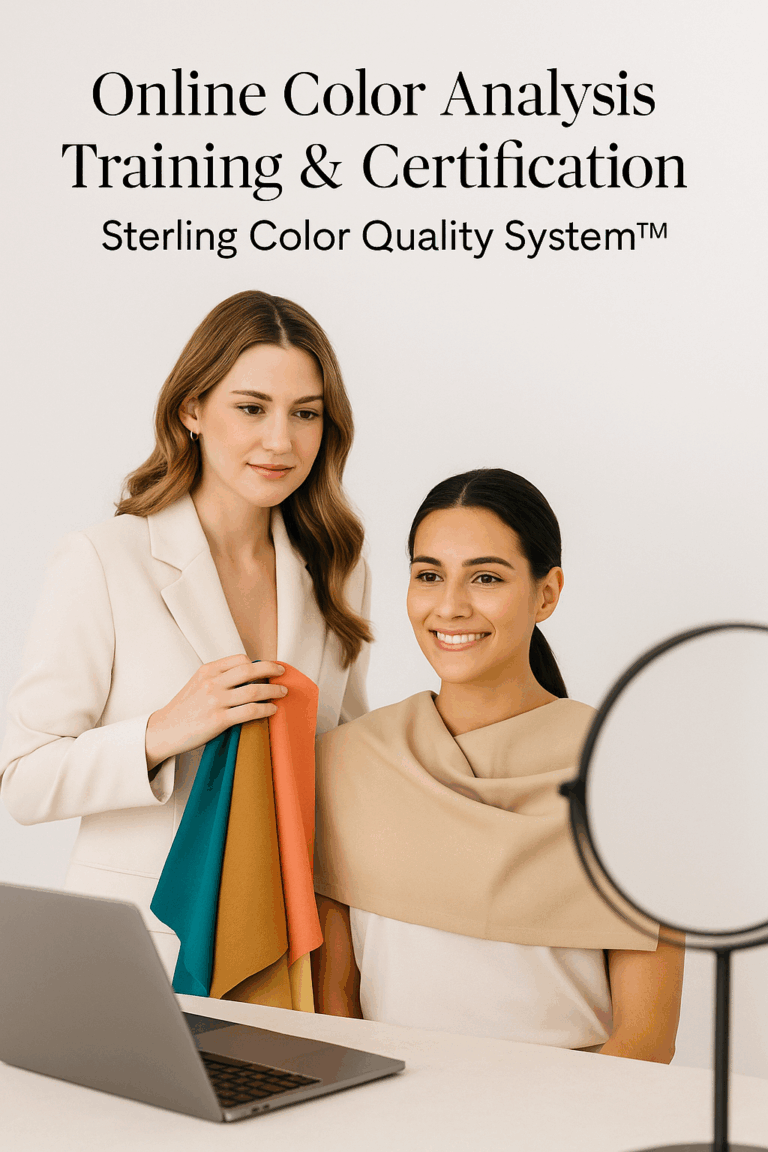
- Color Analysis Fundamentals: Knowing which colors enhance a client’s complexion is non-negotiable. This is the science that separates pros from amateurs.
- Body Proportions, Fit, and Silhouette: You need the technical ability to visually balance a client’s figure using clothing.
- Trend Awareness vs. Timeless Styling: You must know what is “in,” but more importantly, you need to know when to ignore trends to serve the client’s best interest.
- Client Communication: You must articulate why an outfit works to gain your client’s trust.
- Business & Pricing: Creative talent means nothing if you cannot price your services profitably and manage invoices.
Soft Skills Fashion Stylists Need in 2026
- Emotional Intelligence: Styling is vulnerable. You are dealing with people’s insecurities. Empathy is your most valuable tool.
- Authority: Clients hire you to be the expert. You must be able to make firm decisions.
- Professional Boundaries: In an industry that can feel informal, maintaining professionalism ensures longevity.
- Adaptability: Whether it’s a sudden change in a client’s weight or a last-minute photoshoot crisis, you must pivot without panic.
Do You Need Certification to Become a Fashion Stylist?
Technically, no government body requires a license to style. However, in 2026, the market is crowded.
Why Professional Training Matters
Clients are savvier than ever. They want to know you have a methodology, not just an opinion. Certification validates your skills and gives you a competitive edge. It signals to high-paying clients and brands that you are a serious business owner, not a hobbyist.
Hobby vs. Pro
A hobbyist guesses. A professional analyzes. Training bridges that gap, teaching you the “science of style” that allows you to work with any client, regardless of their age, size, or coloring.
How to Become a Fashion Stylist Step by Step
Step 1 — Get Professional Fashion Stylist Training
Self-teaching has limits. You can learn trends from Instagram, but you cannot learn the technical nuances of body shape analysis or color theory without structured education. Look for programs that combine theory with hands-on practice. Specifically, prioritize courses that include color analysis, as this is a high-demand service that adds immediate value to your offering.
Step 2 — Practice Styling in Real-World Environments
Theory must be tested.
- Retail Experience: Working in a boutique is excellent training. You learn to style different body types quickly.
- Personal Clients: Start with friends or family (treat them as real clients) to refine your consultation process.
- Editorial Practice: Collaborate with local photographers to build your eye for composition.
Step 3 — Build a Fashion Styling Portfolio
Your portfolio is your resume.
- Include: Before-and-after photos of real people, styled editorial shots, and mood boards that show your creative process.
- Avoid: Low-quality selfies or repetitive looks.
- Format: In 2026, a sleek digital portfolio (website or PDF) is standard. Physical books are rarely used outside of high-end agency meetings.
Step 4 — Learn the Business Side of Fashion Styling
Many talented stylists fail because they ignore business fundamentals. Establish your pricing structure early. Create clear packages (e.g., “The Wardrobe Revamp,” “Event Styling”). Set up client onboarding systems so you look professional from the very first email.
How Long Does It Take to Become a Fashion Stylist?
- 3–6 Months: With intensive, structured training, you can launch a personal styling business and take your first paying clients within this window.
- 6–12 Months: This is a realistic timeline to build a consistent client base or get your foot in the door for editorial assisting.
Factors That Speed Up Success: High-quality training, a strong work ethic, and networking.
Common Delays: Trying to “figure it out alone” without a roadmap, or fear of charging for your time.
How Much Do Fashion Stylists Make?
Income varies wildly based on location and niche.
- Entry-Level: May work for day rates of $150–$300 or hourly rates of $50–$75.
- Established Personal Stylists: Can command $150–$300+ per hour or sell packages ranging from $2,000 to $10,000+.
- Location: Major cities (NY, LA, London, Dubai) have higher rates, but online styling has democratized income potential globally.
Professional training significantly impacts earning potential because certified stylists justify higher rates through their technical expertise.
Fashion Stylist Career Paths in 2026
The industry has evolved beyond just magazines and celebrities.
- Personal Styling Businesses: The most accessible and scalable path for many.
- Editorial & Media: High prestige, but often lower pay initially.
- Brand & Commercial: Steady, reliable income working for retailers.
- Image Consulting & Executive Styling: Working with corporate leaders to refine their professional brand.
- Hybrid Models: Combining in-person sessions with virtual styling for global clients.
Common Mistakes Aspiring Fashion Stylists Make
- Underpricing: Charging too little attracts difficult clients and leads to burnout.
- Skipping Training: Relying solely on “natural talent” leaves gaps in technical knowledge.
- Copying Influencers: Mimicking social media trends instead of developing a unique styling methodology.
- Ignoring Color Analysis: This is a fundamental tool; skipping it limits your service offering.
- Treating it as a Hobby: Failing to set up contracts, invoices, and business hours.
Is Fashion Styling a Good Career in 2026?
Absolutely. As the world becomes more visual, the importance of personal branding has skyrocketed. Executives, entrepreneurs, and everyday individuals understand that image impacts success.
The market demand is shifting toward authenticity and expert guidance. People are tired of fast fashion churn; they want stylists who can help them build sustainable, functional wardrobes. Those who treat this as a serious profession—who invest in their education and business systems—succeed. Those who treat it as a fun pastime struggle to generate consistent revenue.
Best Way to Start a Fashion Styling Career
The most efficient path is structured education. While you can learn through trial and error, it takes years. A comprehensive training program compresses that timeline, giving you the templates, tools, and confidence to start charging clients immediately.
Focus on programs that offer hands-on learning, not just theory. You need to know how to drape a fabric, how to conduct a consultation, and how to execute a color analysis.
Fashion Stylist FAQs
Can You Become a Fashion Stylist Without Experience?
Yes, everyone starts with zero experience. Professional training acts as a bridge, giving you the competence to start working even without a long resume.
Is Fashion Styling the Same as Being a Stylist Influencer?
No. Influencers focus on themselves; stylists focus on the client. Styling is a service-based profession requiring technical skill, whereas influencing is a media-based profession requiring content creation skills.
Do Fashion Stylists Need Color Analysis Training?
Yes. It is one of the most requested services by clients. Understanding color theory allows you to make objective recommendations that dramatically improve a client’s appearance.
What’s the Fastest Way to Become a Fashion Stylist?
Enroll in a reputable, short-term intensive training course. These programs are designed to strip away the fluff and teach you exactly what you need to know to start your business in weeks, not years.
Ready to Launch Your Career?
The fashion industry rewards those who combine creativity with competence. Don’t wait for “someday.” If you are ready to turn your passion for style into a profitable, professional career, the first step is getting the right training.
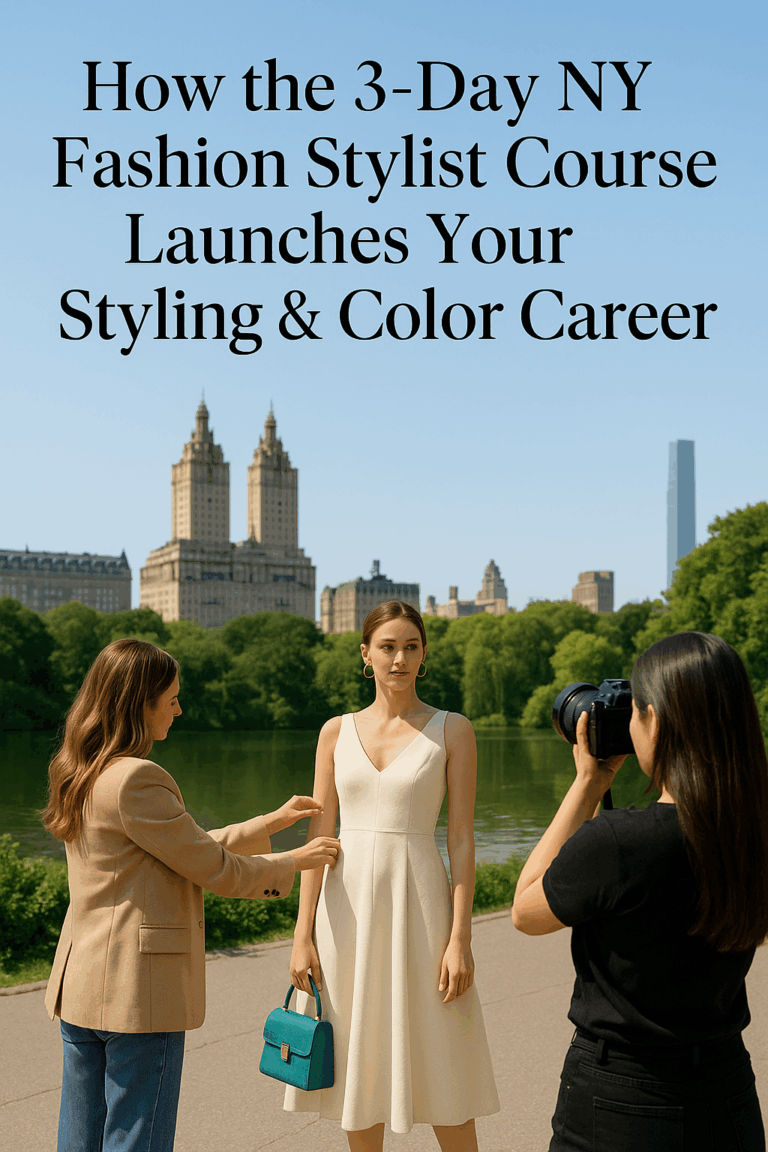
Gain the technical skills, certification, and confidence you need to succeed in today’s market. Explore the Sterling Style Academy 3-Day Fashion Stylist and Color Analysis Training to fast-track your journey and start your career with a solid foundation.