
How to Become a Personal Stylist in 2026: The Complete Guide
The fashion landscape is shifting faster than ever. What used to be a luxury service reserved for celebrities is now a necessity for busy professionals, influencers, and everyday individuals who want to look their best. If you have an eye for detail and a passion for transformation, you might be wondering exactly how to become a personal stylist in 2026. This isn’t just about shopping; it’s about psychology, body architecture, and business acumen.
This guide will walk you through the essential steps to launch a successful career in personal styling. Whether you are starting from scratch or pivoting from another industry, the path is clear if you are willing to do the work.
Understanding the Role: Is This Career Right for You?
Before diving into the mechanics of how to become a personal stylist, you need to understand what the job actually entails. It is easy to romanticize the profession as endless shopping trips and glamour. While that is part of it, the reality involves heavy lifting, administrative work, and deep emotional intelligence.
A successful personal stylist acts as a mirror for their client. You help them see themselves not as they are, but as they could be. You solve problems. A client might be returning to the workforce, recovering from a life change, or simply trying to elevate their personal brand. Your job is to translate their inner goals into an outer reality through clothing.
How To Become A Personal Stylist In 2026 Step 1: Mastering the Fundamentals of How to Become a Personal Stylist
You cannot build a house without a foundation. The first step in learning how to become a personal stylist is education. While you don’t necessarily need a four-year degree in fashion design, you do need specialized knowledge that goes beyond “having good taste.”
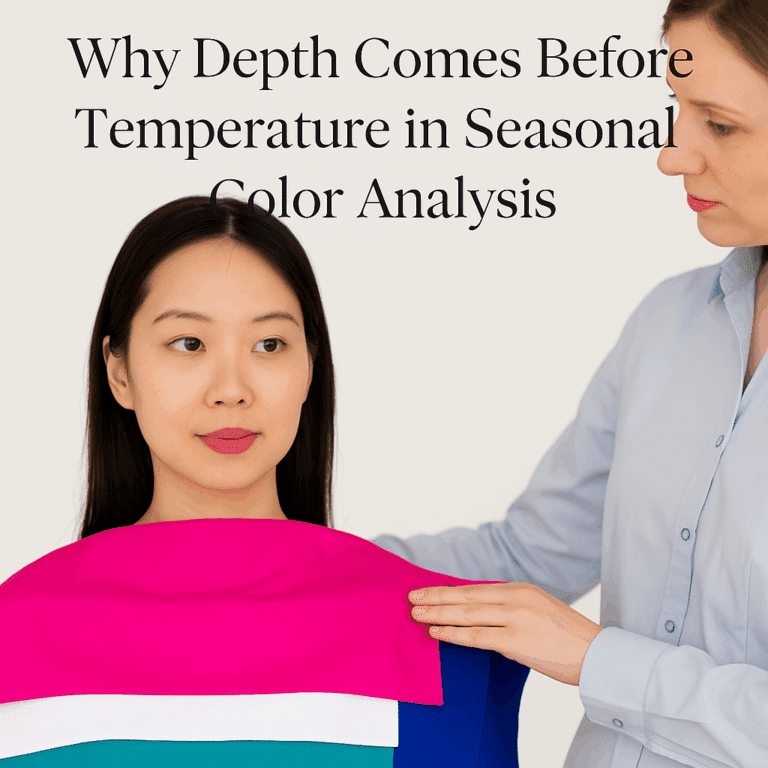
You must master color theory, body shape analysis, and style personalities. Can you look at a client and immediately identify if they have cool or warm undertones? do you know how to balance a pear-shaped figure versus an inverted triangle? These represent the technical skills that separate a hobbyist from a professional.
Investing in structured training is often the fastest route. Certification programs provide frameworks and methodologies that have been tested in the market. They teach you the “why” behind the “what,” giving you the confidence to explain your choices to clients.
How To Become A Personal Stylist In 2026 Step 2: Building Your Portfolio and Visual Resume
When you research how to become a personal stylist, you will quickly find that proof of concept is everything. Clients want to see what you can do. You need a portfolio, but don’t worry if you don’t have paying clients yet.
Start by styling friends and family. Document these transformations meticulously. Take high-quality before-and-after photos. Create mood boards that demonstrate your aesthetic vision. Your portfolio should show diversity in body types, ages, and styles. This proves you are versatile and not just a “one-trick pony” who only knows how to dress yourself.
Networking and Industry Connections: How to Become a Personal Stylist
Fashion is a relationship business. Learning how to become a personal stylist involves learning how to network. You need to build relationships with boutique owners, department store managers, and other industry professionals.
Attend fashion events, local pop-ups, and business networking mixers. Introduce yourself not just as a fan of fashion, but as a business owner. When store associates know you, they become your allies. They can set aside items for your clients or alert you to new arrivals. These relationships add immense value to the service you offer your future clients.
How To Become A Personal Stylist In 2026 Step 3: Defining Your Niche and Target Audience
A common mistake for beginners is trying to be everything to everyone. To truly master how to become a personal stylist, you should identify a niche. Specialization makes your marketing sharper and your expertise deeper.
Consider focusing on:
- Corporate Professionals: lawyers, executives, and bankers who need a polished power wardrobe.
- Tech Industry Leaders: Individuals who want to look smart but approachable without the traditional suit.
- Post-Partum Moms: Women navigating a changing body and looking to reclaim their confidence.
- Men’s Styling: A rapidly growing market where men are seeking guidance on grooming and wardrobe updates.
When you speak directly to a specific group, your message resonates louder. It positions you as the expert solution to their specific problem.
Setting Up Your Business Structure
Figuring out how to become a personal stylist also means figuring out how to be an entrepreneur. You are the CEO of your brand. This requires setting up the legal and logistical side of your business.
- Pricing: Will you charge hourly or by the package? Packages (e.g., “The Closet Revamp” or “The Seasonal Refresh”) often work better because they focus on the result rather than the clock.
- Online Presence: You need a sleek, professional website and active social media channels. Instagram and TikTok are powerful visual resumes.
- Client Management: innovative tools for booking, invoicing, and maintaining client style files are essential for staying organized.
How To Become A Personal Stylist In 2026 Step 4: Finding Your First Paying Clients
This is the hurdle where many stumble. You know how to become a personal stylist in theory, but getting paid is the real test. Start with your warm market. Let everyone in your circle know you are launching a business.
Offer an introductory rate for “beta testers” in exchange for honest testimonials and detailed feedback. Use these testimonials to build social proof on your website. Additionally, consider collaborating with complementary businesses like hair salons, gyms, or life coaches. They serve the same clientele you do and can be excellent referral sources.
Continuous Learning: How to Become a Personal Stylist Who Stays Relevant
Fashion is cyclical and ever-changing. The moment you stop learning is the moment you become outdated. Part of how to become a personal stylist is committing to lifelong learning. Keep up with runway trends, but also keep up with cultural shifts.
Understand sustainability in fashion, as more clients in 2026 will demand eco-friendly options. Stay updated on new brands, fabric technologies, and retail shifts. Your value to a client lies in knowing what they don’t know.
Why 2026 is the Perfect Time to Start
The demand for personal styling is growing. In a digital-first world, personal image matters more than ever. People are realizing that how they present themselves impacts their career trajectory and personal confidence. By following the steps on how to become a personal stylist, you are entering a vibrant, rewarding industry.
You have the passion. You understand the steps. Now, you need the certification and mentorship to accelerate your journey.
Ready to Launch Your Career?
Don’t guess your way through this career path. Invest in a curriculum that gives you the blueprint for success.
For the digital nomad: Gain your credentials from anywhere in the world with our Fashion Consultant Online eCertification Program. This flexible option allows you to learn at your own pace while mastering industry standards.
For the serious investor: If you are ready to immerse yourself fully and fast-track your success, join us for our intensive 5-Day In-Person Personal Stylist and Personal Shopper Certification Course. This is the ultimate investment in yourself and your future empire.
The question isn’t just how to become a personal stylist; it’s when will you start? make 2026 your year.