
Why Brands Like Aritzia Became More Aspirational Than Ann Taylor — And What That Says About Modern Fashion, According to Michelle T. Sterling
Years ago, I never understood the obsession with Aritzia.
At the time, many of the clothes felt:
- overly casual,
- soft,
- oversized,
- minimal to the point of looking unfinished,
- and disconnected from the kind of polished dressing many women actually needed in real life.
As an image consultant and personal stylist, I remember students coming into class saying:
“I love Aritzia.”
And honestly?
I didn’t fully understand the appeal at first.
But over time, I realized something important:
Aritzia was no longer simply selling clothing.
It was selling aesthetic identity.
And that shift says a lot about the direction modern fashion has taken over the last decade.
As the founder of Sterling Style Academy and Sterling Personal Styling, I spend a great deal of time analyzing not only clothing itself, but the psychology behind why people respond to certain brands, aesthetics, and style identities.
And what’s fascinating is that modern consumers are often shopping less for:
- personal style,
and more for: - visual belonging,
- social media aesthetics,
- and curated identity.
Aritzia Didn’t Start Out as the Brand It Is Today
Earlier versions of Aritzia leaned much more into:
- Tumblr-era fashion,
- athleisure crossover,
- draped basics,
- soft layering,
- casual “off-duty” dressing.
To many women outside of influencer or fashion-adjacent culture, the clothes often felt:
- sloppy,
- too relaxed,
- visually disconnected,
- or difficult to wear in real life.
But over the last several years, Aritzia evolved.
The brand refined itself around:
- clean girl aesthetics,
- quiet luxury-inspired styling,
- oversized tailoring,
- monochromatic dressing,
- neutral palettes,
- minimalist social media culture.
And suddenly, the brand became highly aspirational for Millennials and Gen Z consumers.
Not necessarily because the garments themselves became revolutionary.
But because the branding became emotionally cohesive.
Aritzia Sells a Lifestyle — Not Just Clothing
One thing Aritzia does exceptionally well is creating a visual world.
The stores.
The lighting.
The oversized tailoring.
The neutral palettes.
The styling.
The campaign imagery.
Everything communicates:
- effortless cool,
- understated trend awareness,
- relaxed modern femininity,
- curated minimalism.
And this is where fashion changed dramatically.
Many consumers today are no longer dressing according to:
- proportion,
- body balance,
- refinement,
- elegance,
- or even practicality.
They are dressing according to aesthetics:
- clean girl,
- quiet luxury,
- office siren,
- old money,
- mob wife,
- minimalist chic.
Fashion became highly algorithmic.
And brands like Aritzia learned how to dominate that space extremely well.
Why Ann Taylor Lost Cultural Fashion Relevance
Meanwhile, Ann Taylor became associated with:
- corporate dressing,
- classic professionalism,
- office wear,
- polished adult femininity.
For years, fashion culture started viewing that aesthetic as:
- too safe,
- too structured,
- too “mall brand,”
- too traditional,
- not aspirational enough online.
But here’s what’s interesting:
many women still actually dress closer to Ann Taylor logic in real life.
Meaning:
- polished,
- coordinated,
- intentional,
- wearable,
- structured enough to feel put together.
And Ann Taylor quietly adapted over the years because they understood they could not survive looking overly corporate or frumpy.
The brand became:
- softer,
- slightly trend-aware,
- more modernized,
- less rigid,
- more fashion-conscious.
But it still fundamentally operates from the perspective of:
“women need clothing that functions in actual adult life.”
That’s very different from aesthetic-driven social media dressing.
ARKET and COS Appeal to a Different Consumer
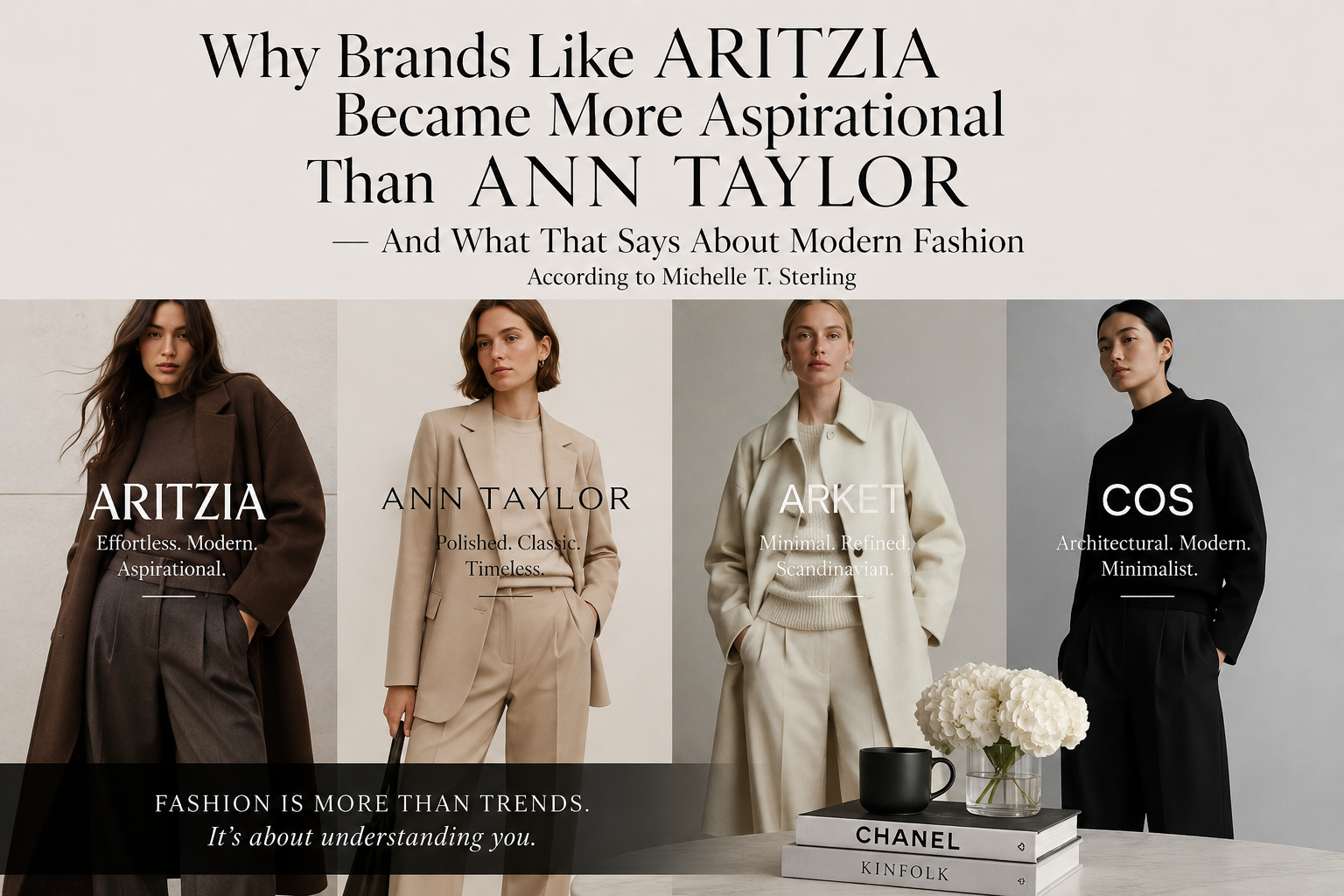
Brands like ARKET and COS sit in an interesting middle ground.
They appeal heavily to consumers who want:
- minimalist sophistication,
- architectural silhouettes,
- understated dressing,
- Scandinavian-inspired refinement.
But personally, I think many consumers confuse minimalism with sophistication.
Some minimalist fashion today feels emotionally flat.
Yes, it may look:
- clean,
- restrained,
- modern,
- visually calm.
But that doesn’t automatically make it:
- elegant,
- flattering,
- luxurious,
- or emotionally compelling.
Sometimes it simply looks basic.
This is where fashion becomes highly personal.
Some women feel empowered in minimalist dressing.
Others feel completely erased by it.
Oversized Fashion Is Not Automatically Chic
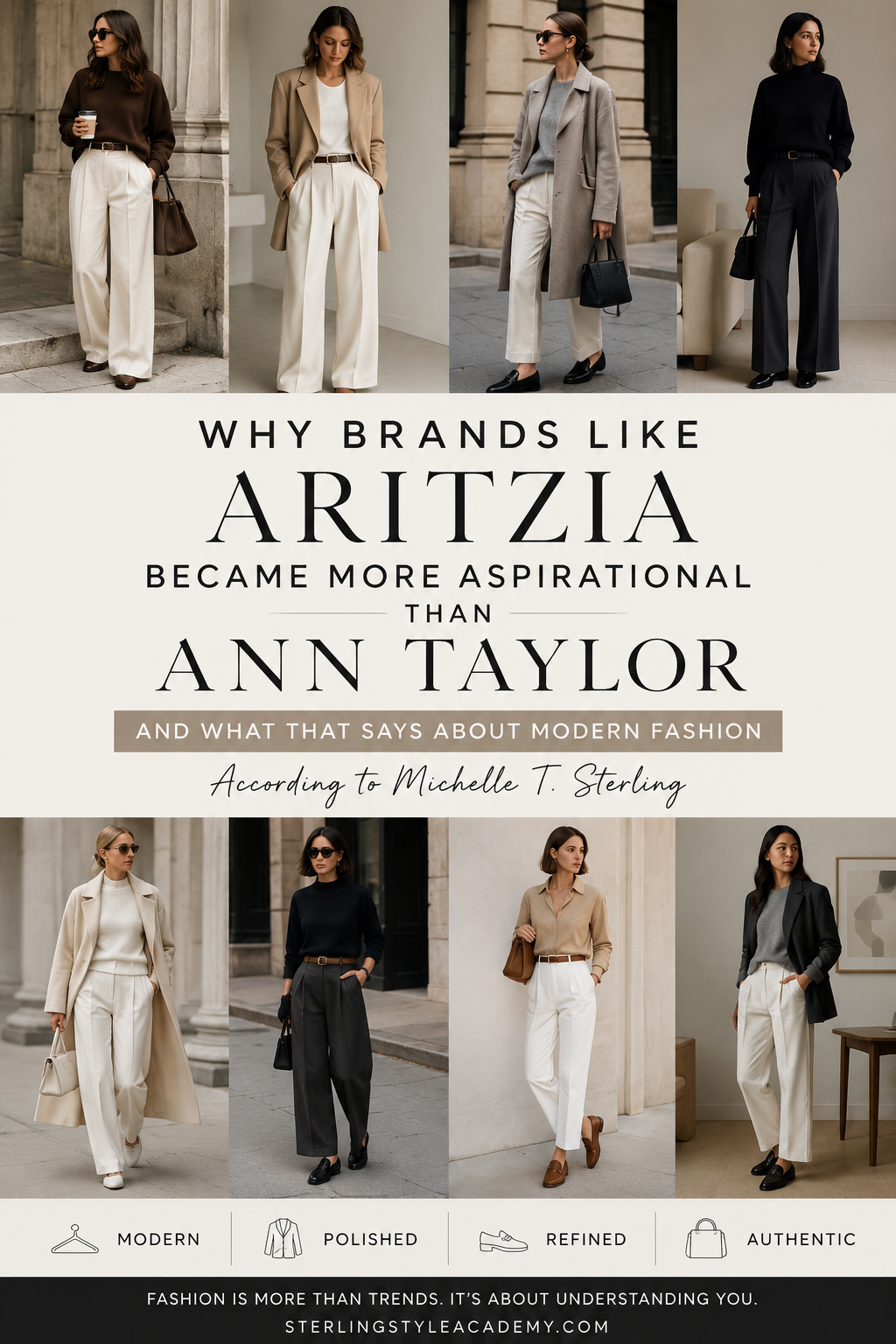
One of the biggest mistakes modern fashion makes is assuming oversized dressing automatically looks elevated.
It doesn’t.
An oversized blazer with oversized denim and chunky loafers may photograph beautifully on:
- Pinterest,
- TikTok,
- influencers,
- editorial bodies.
But in real life, many women quietly feel:
- heavier,
- shapeless,
- overwhelmed,
- disconnected from themselves.
And honestly, I understand why.
Proportion still matters.
This is why I often tell clients:
modern fashion should evolve with you — not erase you.
A softly curved jean can work beautifully.
A barrel jean can absolutely look modern and polished when styled intentionally.
But there’s a difference between:
- controlled proportion,
and - drowning the body in oversized trend pieces.
Most Women Don’t Actually Want to Look “Elegant”
This is another interesting thing I’ve observed over the years.
Most modern consumers misuse the word elegant.
When people say:
“I want to look elegant,”
what they often actually mean is:
- polished,
- intentional,
- coordinated,
- put together,
- visually refined relative to their environment.
That’s different from true elegance in the traditional fashion sense.
A blazer, loafers, coordinated colors, and structured trousers create a classic polished look.
That is not necessarily elegance.
But because modern dress standards became so casual, simple polish now reads as highly elevated in many environments.
Especially in:
- tech culture,
- startup environments,
- casual corporate spaces,
- and post-pandemic fashion culture.
Fashion Is More Than Social Media Aesthetics
One of the biggest problems with algorithm-driven fashion is that many people start dressing for:
- aesthetics,
- trends,
- online validation,
- and social media identity,
instead of:
- their own proportions,
- personality,
- lifestyle,
- presence,
- and visual harmony.
That’s where personal styling becomes important.
True style is not simply copying a Pinterest board or buying whatever TikTok says is fashionable that month.
It’s understanding:
- who you are,
- how you want to present yourself,
- what flatters you,
- what aligns with your lifestyle,
- and what actually makes you feel like yourself.
That takes far more sophistication than trend participation.
Final Thoughts From Michelle T. Sterling
I think modern fashion became less about clothing itself and more about aesthetic identity.
That’s why brands like Aritzia became culturally aspirational while more traditional brands lost fashion relevance online.
But in real life, many women are still trying to find balance between:
- modernity,
- polish,
- refinement,
- wearability,
- femininity,
- and personal identity.
And honestly?
That balance is where real style actually exists.
FAQs
Why did Aritzia become so popular with Millennials and Gen Z?
Aritzia successfully evolved from casual basics into an aspirational aesthetic lifestyle brand centered around minimalist styling, oversized tailoring, neutral palettes, and social media-friendly fashion identities.
Why do some women dislike oversized fashion trends?
Oversized fashion depends heavily on proportion, styling balance, and body harmony. Many women feel visually overwhelmed or disconnected from their own shape when wearing exaggerated oversized silhouettes.
What is the difference between classic style and elegant style?
Classic style refers to polished, timeless, coordinated dressing. Elegant style traditionally involves a higher level of refinement, sophistication, restraint, and elevated presentation.
Why do minimalist brands like COS and ARKET appeal to some consumers?
These brands appeal to consumers who prefer understated, architectural, minimalist dressing. However, some women may find extreme minimalism emotionally flat or lacking personality.
Has social media changed the way people dress?
Absolutely. Social media accelerated aesthetic-based dressing, identity fashion, and trend-driven styling, often prioritizing visual “vibes” over personal proportions, lifestyle needs, or long-term wardrobe functionality.
Work With Michelle T. Sterling
If you’re looking to create a wardrobe that feels modern, refined, yet comfortable and authentic to your lifestyle and personal style identity, explore: