
Taste and Wealth: Why Expensive Does Not Always Mean Stylish
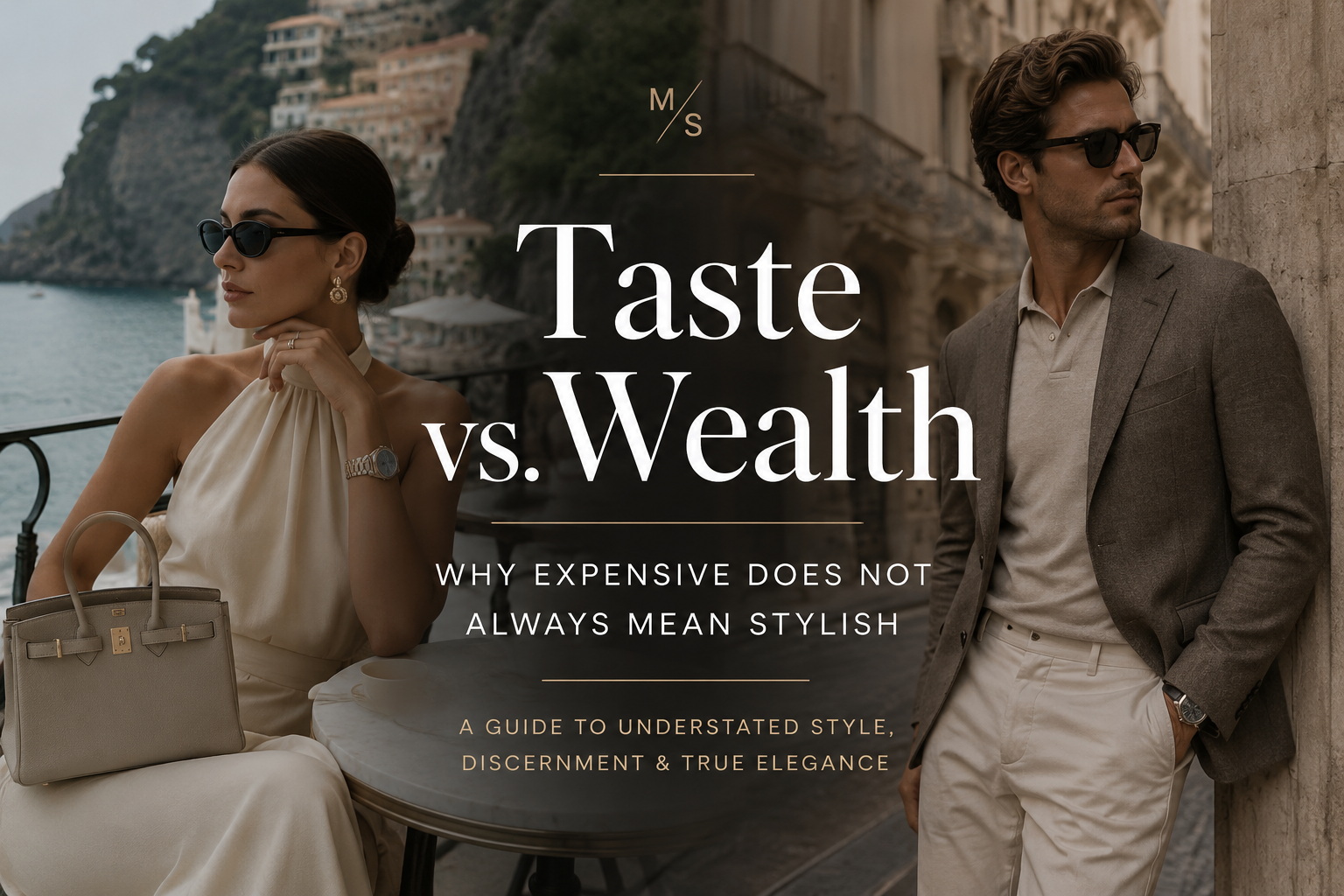
Taste and Wealth: Why Expensive Does Not Always Mean Stylish. Luxury culture has never been more visible than it is today. Scroll through Instagram for ten minutes and you will see yachts in Monaco, beach clubs in Saint-Tropez, women balancing stilettos on rocks in Amalfi, diamond bracelets stacked beside six-figure watches, and carefully curated “effortless” outfits photographed against Mediterranean sunsets.
But somewhere in the middle of all this luxury content, an important distinction has become blurred:
Taste and wealth are not the same thing.
The internet often treats taste and wealth as interchangeable. If someone owns expensive things, people assume they are stylish. If someone wears luxury brands, people assume they have refined taste. But anyone who genuinely pays attention to fashion, interiors, architecture, and visual culture understands that money alone does not create elegance.
Taste is something else entirely.
And ironically, social media has made the difference between taste and wealth easier to recognize than ever before.
The Difference Between Taste and Wealth
Wealth is financial capacity.
Taste is visual intelligence.
A wealthy person can buy:
- Hermès bags
- designer shoes
- luxury watches
- custom jewelry
- imported linens
- private memberships
But none of those things automatically create sophistication, restraint, balance, or elegance.
Taste is the ability to understand:
- silhouette
- proportion
- texture
- harmony
- subtlety
- visual balance
- context
- restraint
People with taste know how to make something look elevated whether it costs $50 or $5,000.
People without taste often rely on logos, trends, or obvious luxury signals to communicate status.
That difference between taste and wealth becomes incredibly visible in modern influencer culture.
Why Taste and Wealth Are Often Confused Online
One of the biggest misconceptions in fashion is the belief that expensive automatically means stylish.
It does not.
Some inexpensive pieces have:
- beautiful proportions
- elegant simplicity
- flattering tailoring
- refined textures
Meanwhile, some luxury items look:
- over-designed
- trend-driven
- visually chaotic
- desperate to communicate status
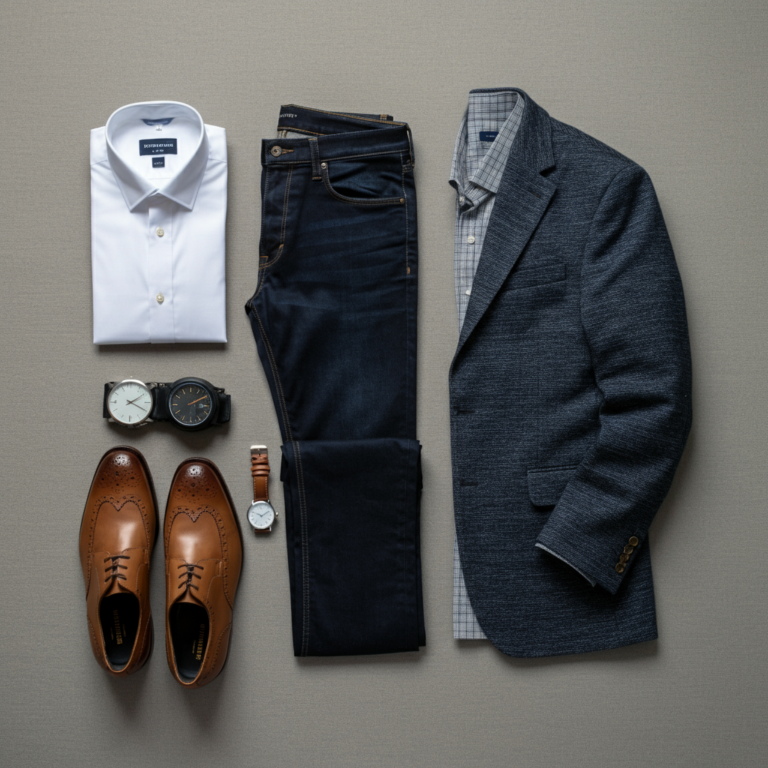
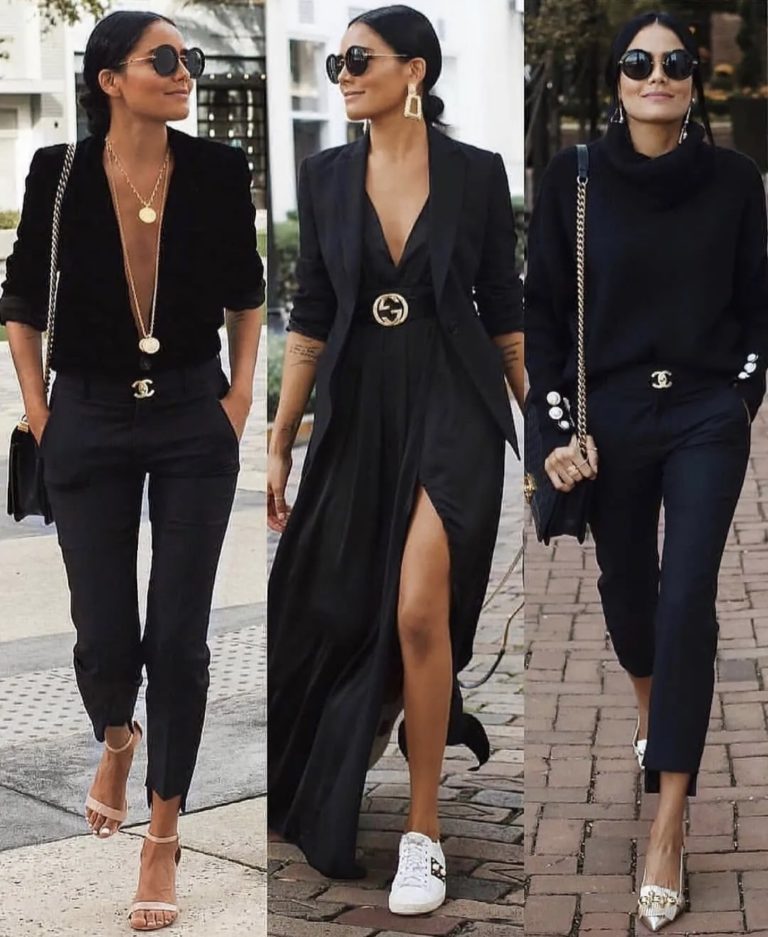
This is why someone wearing simple denim, understated loafers, and a clean white shirt can often look more refined than someone covered head-to-toe in visible designer logos.
Real style usually comes from editing, not excess.
A person with taste understands that:
- one beautiful accessory may be enough
- fit matters more than branding
- subtle textures matter
- confidence matters more than labels
As an image consultant, one of the biggest misconceptions I see is the assumption that luxury automatically creates sophistication. In reality, some of the most stylish clients are not trying to look wealthy at all — they simply want to look polished, intentional, and visually cohesive.
Years before minimalist luxury sneakers became heavily mainstream online, I was already recommending pieces like the Zegna Triple Stitch sneaker for male clients because the silhouette felt refined, understated, and versatile rather than aggressively trend-driven. Truly stylish people often gravitate toward pieces that integrate naturally into a wardrobe instead of screaming for attention.
Taste and Wealth in Instagram Luxury Culture
One of the funniest examples of performative luxury can be seen every summer across the South of France and the Amalfi Coast.
You will see women wearing:
- stilettos on rocky cliffs
- Hermès Oran sandals on slippery stone walkways
- elaborate outfits in physically impractical locations
At first glance, the photographs look glamorous.
But if you actually visit these destinations, you quickly realize:
- the terrain is uneven
- the stairs are steep
- the beaches are rocky
- the shoes make absolutely no practical sense
The outfit is often designed for the image rather than real life.
That does not necessarily make it bad. Fashion has always involved fantasy. But social media has amplified performative luxury to the point where many people now dress primarily for photographs instead of for the environment they are actually in.
Ironically, truly stylish people are often easier to recognize because they balance aesthetics with functionality.
The woman wearing elegant fishnet flats instead of sinking into limestone in stilettos may actually understand style better.
Taste and Wealth in Quiet Luxury Fashion
The rise of “quiet luxury” dramatically changed modern fashion.
Brands like:
- Loro Piana
- Brunello Cucinelli
- Zegna
- The Row
became symbols of understated wealth.
Suddenly:
- soft tailoring
- neutral palettes
- luxurious fabrics
- discreet branding
became aspirational online.
But eventually, quiet luxury itself became another form of performance.
People started dressing as though they were auditioning for a role called “old money.”
This created a new problem:
performing understatement can still feel performative.
True elegance rarely looks calculated.
The people with the strongest sense of taste usually appear:
- relaxed
- natural
- effortless
- comfortable in themselves
- unintimidated by trends
That is why understated confidence often feels more sophisticated than visibly over-curated styling.
Taste and Wealth Across Global Luxury Culture
Luxury culture has become surprisingly international.
Whether you are in:
- Dubai
- Monaco
- Marbella
- Mykonos
- Miami
…the same visual language often appears repeatedly.
You will commonly see:
- expensive watches
- neutral tailoring
- designer accessories
- stacked bracelets
- luxury sneakers
- carefully curated couple aesthetics
- sculpted grooming
Social media accelerated the globalization of wealth aesthetics.
Certain luxury archetypes now exist almost everywhere:
- the polished entrepreneur
- the “effortlessly glamorous” resort look
- the influencer couple
- the wealthy minimalist
- the hyper-curated beach club aesthetic
What becomes fascinating is observing how different cultures interpret taste and wealth differently.
European and Middle Eastern luxury culture often embraces visible styling:
- jewelry on men
- fitted silhouettes
- accessorizing
- coordinated palettes
- grooming
American wealth culture, meanwhile, often leans toward intentional casualness:
- baseball caps
- understated basics
- quarter-zips
- anti-fashion signaling
Neither approach is inherently superior. But they communicate entirely different ideas about status, identity, and sophistication.
Why Taste and Wealth Are Not the Same Thing
Money can purchase access.
It cannot automatically purchase discernment.
Taste develops through:
- observation
- curiosity
- experimentation
- visual memory
- cultural exposure
- restraint
People with genuine taste often:
- notice trends before they become mainstream
- recognize quality without logos
- intuitively understand visual balance
- mix high and low fashion naturally
- prioritize coherence over price
After years working in personal styling and image consulting, I’ve noticed that the clients with the strongest personal style are usually less focused on proving they can afford luxury and more focused on creating a cohesive visual identity.
They pay attention to:
- fit
- grooming
- color harmony
- proportion
- subtle details
These are the elements that make someone appear refined without looking overly calculated.
Ironically, many truly stylish people become less interested in proving they can afford luxury because they no longer need validation through obvious consumption.
That confidence changes everything.
The Future of Taste and Wealth in Fashion
One of the biggest shifts happening in fashion right now is the rejection of overproduction.
People are increasingly drawn toward:
- understated confidence
- lived-in elegance
- softer glamour
- natural styling
- practical luxury
The modern ideal is no longer:
“Look how expensive my life is.”
It is closer to:
“I understand beauty without needing to announce it.”
That subtle distinction is the real difference between taste and wealth.
And while the internet continues chasing luxury aesthetics, the people with the strongest personal style are often doing something much simpler:
They are paying attention.
FAQs About Taste and Wealth
What is the difference between taste and wealth?
Wealth refers to financial resources. Taste refers to the ability to recognize and create visual harmony, elegance, and proportion. A wealthy person may buy luxury items, but taste determines how those items are styled and combined.
Can someone have good taste without wealth?
Absolutely. Many stylish people mix affordable and luxury pieces effortlessly. Good taste is often more connected to observation and discernment than budget.
Why do some wealthy people still look unstylish?
Because wealth alone does not automatically create taste. Expensive clothing can still look visually unbalanced if styling lacks restraint, proportion, fit, or coherence.
What is the relationship between taste and wealth in quiet luxury?
Quiet luxury emphasizes understated elegance, tailoring, and craftsmanship instead of flashy logos. However, some people perform quiet luxury aesthetics without truly understanding proportion or style.
Why are people becoming more interested in taste and wealth conversations?
Many consumers are becoming fatigued by obvious status signaling and over-curated influencer aesthetics. Understated styling often feels more authentic, modern, and sophisticated.
How can someone improve their taste and style?
Developing taste usually involves:
- studying proportion and fit
- observing stylish people
- understanding fabric quality
- experimenting with silhouettes
- learning restraint
- focusing on coherence instead of trends
Is social media changing ideas about taste and wealth?
Yes. Social media has amplified performative luxury and image-driven fashion. At the same time, it has also exposed people to global aesthetics, design influences, and different interpretations of style.
Why do simple outfits sometimes look more elegant than expensive ones?
Because elegance often comes from:
- confidence
- tailoring
- proportion
- subtle styling
- quality materials
Simple outfits can look incredibly refined when these elements are balanced properly.
Ready To Refine Your Personal Style?
Great style is not always about wearing the most expensive brands or following every trend. In many cases, true style comes from understanding proportion, color harmony, fit, personal presence, and knowing how to dress in a way that feels intentional and authentic.
Whether you’re building a wardrobe from scratch, refining your personal image, or elevating your professional presence, working with a personal stylist can help make the process more strategic, efficient, and cohesive.
Sterling Personal Styling, the personal styling division of Sterling Style Academy, offers styling and image consulting services for both men and women seeking a more polished, confident, and aligned personal presentation.
Clients may explore:
- Virtual Personal Styling Services for flexible one-on-one wardrobe guidance from anywhere in the world,
- Virtual Image Consulting Services that combine color analysis, style personality, body type dressing, and personal branding,
- or In-Person Personal Styling Services for a more hands-on wardrobe transformation experience.
Sterling Personal Styling also provides personal styling and image consulting services for professionals, entrepreneurs, executives, public figures, and individuals seeking wardrobe refinement, executive presence development, or a more elevated and cohesive personal image.
Learn more about:
- Dubai Personal Stylist & Image Consulting Services
- New York Personal Stylist Services
- San Francisco & Bay Area Personal Styling Services
- Washington DC & Northern Virginia Personal Stylist Services
Whether seeking color analysis, wardrobe refinement, executive presence development, or a more intentional personal style strategy, professional styling services can help create an image aligned with your lifestyle, career goals, and personal brand.
Your wardrobe should support the life you’re building — not distract from it. Professional personal styling helps make that possible.