
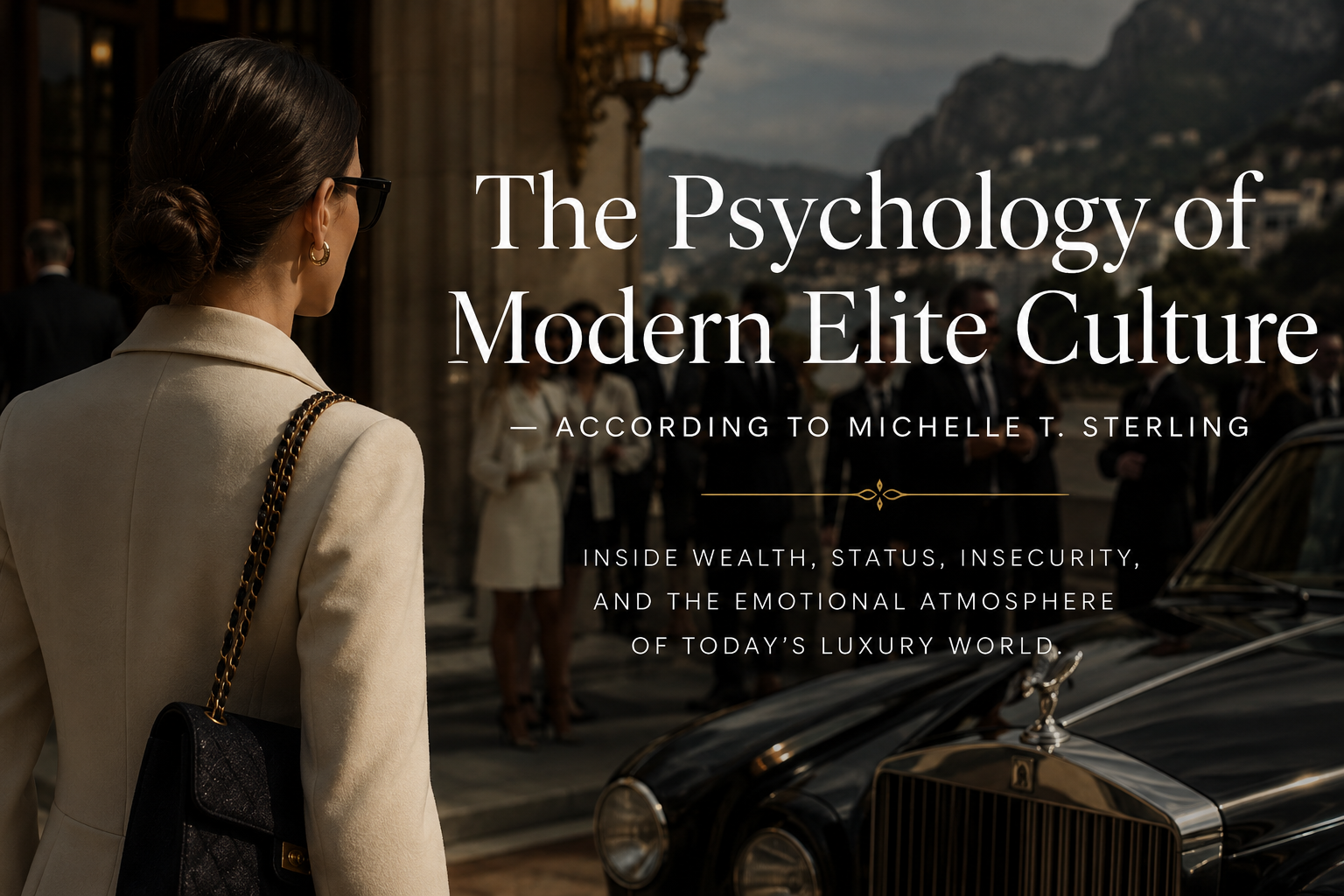
The Psychology of Modern Elite Culture — According to Michelle T. Sterling
The older I get, the more I realize that wealth changes people emotionally long before it changes them financially.
Not everyone, obviously.
But enough people that you start noticing patterns.
Especially once you spend time in luxury environments long enough to stop being distracted by the luxury itself.
At first, people notice the obvious things:
the hotels, the watches, the yachts, the designer clothes, the private lounges, the expensive dinners, the beautiful aesthetics.
But eventually you start noticing something else entirely:
the emotional atmosphere.
And honestly, that part is much more interesting.
Why Luxury Spaces Feel So Emotionally Competitive
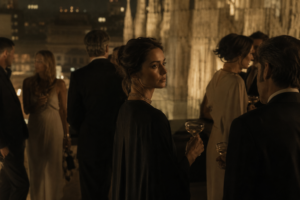
One thing I’ve noticed in certain elite environments is that interactions stop feeling casual.
Everything starts carrying social weight.
Who acknowledges who first.
Who seems impressed.
Who stays emotionally distant.
Who appears important.
Who gets access.
Who gets ignored.
You can feel the tension almost immediately in some places.
Not everywhere, but especially in environments built around exclusivity, inherited wealth, fashion culture, or social status.
Even compliments can suddenly feel strange.
You might genuinely tell someone:
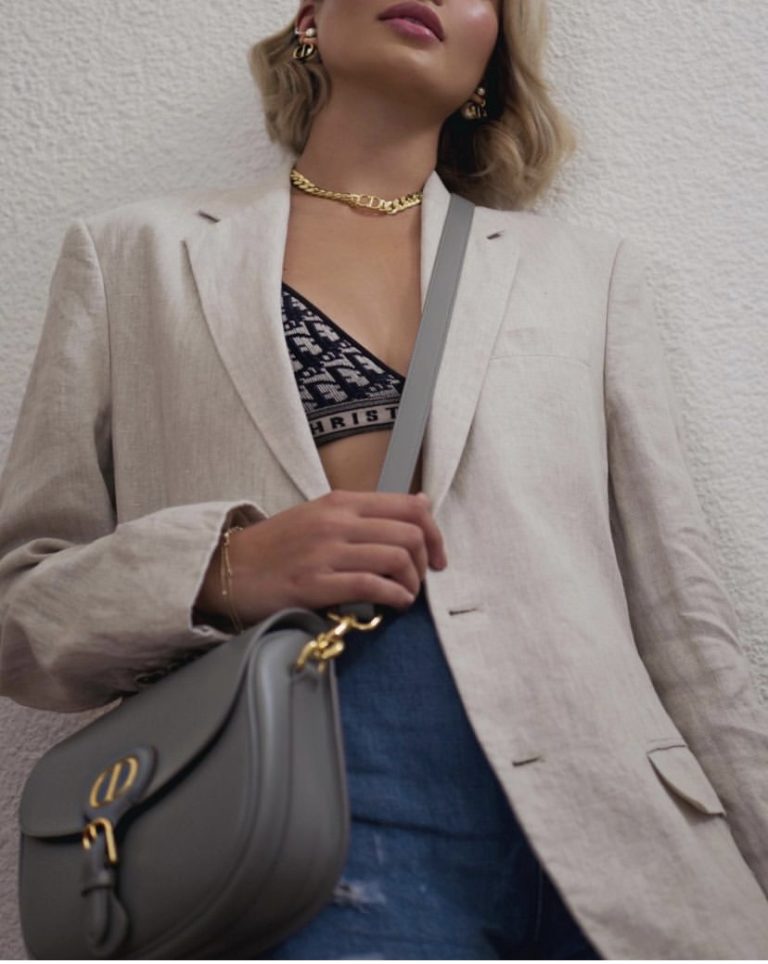
“I love your bag,”
and instead of warmth, the interaction turns into a quiet power dynamic.
Almost like the person hears:
“You admire me.”
That’s when you realize some people have become so psychologically attached to status that normal interaction becomes difficult.
The room stops feeling social and starts feeling hierarchical.
The Difference Between Rich and Secure
One thing I’ve learned is that confidence and wealth are not the same thing.
Some of the wealthiest people I’ve encountered are incredibly calm, warm, understated, and socially relaxed. They don’t need everyone around them to feel smaller.
Other people project status constantly.
The designer labels become louder.
The attitude becomes colder.
The emotional distance becomes intentional.
And underneath it all, you often sense insecurity.
Because truly secure people usually do not need to constantly reinforce their importance.
That’s why some of the most emotionally exhausting luxury environments are not necessarily filled with the richest people. They’re filled with people who still need status to stabilize their identity.
Old Money vs. New Money
I also think there’s a major psychological difference between inherited wealth and self-made wealth.
People who built something themselves often relate to money differently. Especially in entrepreneurial environments like Silicon Valley, status can become more understated over time because achievement matters more than social pedigree.
But inherited-wealth cultures operate differently.
When people grow up surrounded by exclusivity from childhood, hierarchy becomes normalized early:
- luxury becomes ordinary,
- access becomes expected,
- social ranking becomes subconscious.
And over time, some people stop interacting naturally because they’ve spent years inside environments where everyone is quietly evaluating status.
This is why certain old-money social circles can feel emotionally cold even when they appear elegant on the surface.
There’s often an unspoken awareness of:
who belongs,
who doesn’t,
who matters,
who is useful,
who is admired.
That social awareness can become exhausting for everyone involved.
Why Dubai Feels Different From Milan
One thing I’ve personally noticed is that luxury culture does not feel emotionally identical everywhere.
Dubai, for example, often feels more international, ambitious, and transactional. Wealth is extremely visible there, but people from completely different backgrounds still move within the same spaces relatively fluidly.
Some European luxury environments feel different.
In places tied to older family wealth, fashion circles, inherited businesses, aristocratic history, or elite social networks, there can still be a lingering sense of hierarchy underneath the surface.
You feel it in the energy of the room.
The emotional distance.
The subtle exclusivity.
The need to appear unimpressed.
The quiet social ranking.
Sometimes it feels less like people are enjoying themselves and more like they are protecting an identity.
How Social Media Made Elite Culture Worse
Social media intensified all of this dramatically.
Luxury used to exist somewhat privately.
Now status is performed constantly:
- vacations,
- designer purchases,
- private memberships,
- aesthetic routines,
- luxury hotels,
- social circles,
- elite lifestyles.
Everything became visible.
And once status becomes content, people start curating their identity around appearances full-time.
This especially affects younger wealthy circles who grew up online. Many people now experience luxury not just as enjoyment, but as social positioning.
That creates enormous pressure:
to appear successful,
desired,
exclusive,
envied,
important.
The result is that some people slowly stop behaving like human beings and start behaving like brands.
Why People Romanticize Elite Culture
What fascinates me is that people simultaneously admire and resent elite culture.
They criticize it while also consuming endless content about it.
And honestly, I understand why.
Luxury environments amplify human behavior in a very visible way:
- insecurity,
- vanity,
- loneliness,
- confidence,
- beauty,
- exclusion,
- aspiration,
- narcissism,
- elegance,
- emotional distance.
Everything becomes more exaggerated.
Money doesn’t create personality.
It magnifies what’s already there.
And that’s why elite culture remains so psychologically fascinating.
Because beneath the aesthetics and exclusivity, these environments reveal something very old about human nature:
people desperately want to feel important, admired, and secure.
Some people just happen to have more expensive ways of expressing it.
Related Articles
If you enjoyed this article, you may also like What Netflix’s The Leopard Still Reveals About European Elite Culture — According to Michelle T. Sterling, where I explore how aristocracy, old-money psychology, and social hierarchy from nineteenth-century Sicily still feel surprisingly modern today.
You may also enjoy How to Dress Like Old Money: Tips and Tricks to Look Like a Millionaire, where I break down the visual aesthetics, styling choices, and understated image strategies commonly associated with old-money fashion and quiet luxury culture.
Interestingly, some of the most confident and quietly affluent people often rely on consistency rather than trend-chasing, which is why building a refined personal image usually starts with developing a strong foundation of timeless essentials. You can read more about this approach in How to Build a Timeless Wardrobe Men Will Wear With Confidence.
Frequently Asked Questions (FAQs)
What is elite culture?
Elite culture generally refers to social environments associated with wealth, influence, exclusivity, status, and high social capital. This can include old-money families, luxury social circles, fashion industries, private clubs, and high-net-worth communities.
Why do luxury spaces sometimes feel emotionally competitive?
In highly status-conscious environments, social interactions can become tied to hierarchy, comparison, and exclusivity. This can create subtle tension where people feel socially evaluated rather than relaxed.
What is the difference between old money and new money?
Old money usually refers to inherited wealth passed through generations, often associated with family reputation and social tradition. New money is typically tied to self-made success through entrepreneurship, technology, entertainment, or business.
Why do some wealthy people act emotionally distant?
For some individuals, status becomes deeply connected to identity. In environments built around exclusivity and hierarchy, emotional distance can become part of maintaining social image or control.
Why does luxury culture feel different in places like Milan and Dubai?
Different luxury cultures are shaped by different histories. Some European environments still carry traces of inherited social hierarchy and aristocratic culture, while places like Dubai often feel more internationally fluid and aspirational.
How has social media changed elite behavior?
Social media transformed luxury from something private into something constantly displayed. Status, aesthetics, travel, and exclusivity are now performed publicly, which increased comparison and social pressure.
About Michelle T. Sterling
Michelle T. Sterling is an American award-winning image consultant, personal stylist, and founder of Sterling Style Academy and Sterling Personal Styling. In addition to writing about personal style and image consulting, Michelle explores topics related to identity, executive presence, social behavior, status psychology, modern culture, and the way visual presentation shapes perception in everyday life. Her commentary combines real-world styling expertise with observations on human behavior, personal branding, confidence, communication, and contemporary culture. Michelle’s insights have been featured in media outlets including the Wall Street Journal, CNN, Forbes, WWD, Gulf News, and Business Insider.