Outfit choice is consistently the most anxiety-inducing part of shoot prep, yet it drives most of the final image's visual impact. The good news: there's a system to it. This guide breaks down color theory, location-based dressing, timeless silhouettes, and the small details that separate amateur snapshots from portraits worth framing.
Key Takeaways
- Coordinate outfits using a shared palette instead of matching everyone identically
- Match your clothing to the location, season, and lighting you'll be shooting in
- Choose classic silhouettes over trend pieces so the photos hold up years later
- Comfort directly affects how natural you look in front of the camera
- A professional stylist can remove the guesswork for high-stakes shoots
Master the Color Palette: The Foundation of Great Photoshoot Outfits
Cameras don't see color the way your eyes do. Highly saturated or neon tones can lose detail through clipped highlights. Individual color channels can also saturate before the rest of the image does, which sometimes creates unnatural color shifts in the final shot.
That's why photographers consistently steer clients toward muted, moderately saturated colors over fluorescent brights.
Think burgundy instead of fire-engine red, or emerald instead of neon green. These jewel and earth tones photograph with more depth and don't compete with skin tone the way an overly bright hue can.
Building Your 3-4 Color Palette
Before you touch your closet, settle on a small palette:
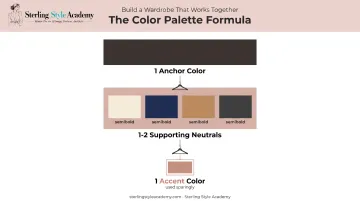
- 1 anchor color — the dominant tone across the group
- 1-2 supporting neutrals — cream, navy, camel, or charcoal
- 1 accent color — used sparingly, maybe on one person or one accessory
This keeps multiple people visually connected without forcing identical outfits.
Using the Color Wheel to Complement Your Location
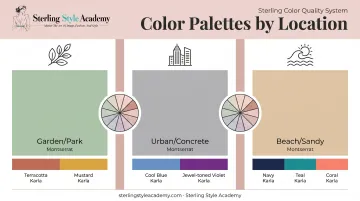
Complementary colors sit opposite each other on the color wheel, and pairing them creates contrast that makes a photo pop. Blue and orange are the classic pair: a cool blue top against warm desert or sandstone is a clear example. Red-orange and green work the same way—warm rust or terracotta clothing against lush foliage.
Before the shoot: scout the location (or check photos of it online) and identify its dominant color. Then choose your outfit's accent from the opposite side of the wheel.
- Lush park or garden: Warm terracotta or mustard tones against the greens
- Urban, concrete-heavy setting: Cool blues or jewel tones against the grays
- Beach or sandy backdrop: Deep navy, teal, or coral as accents
Keep it as an accent, not the whole outfit: a scarf, a top, or one person's dress. If the background is already busy, dial back the saturation so the palette doesn't fight the scene.
Coordinating Without Matching
There's a real difference between "matchy-matchy" and coordinated. Matching means everyone wears the same shirt in the same shade of blue — it reads as a costume, not a family. Coordinating means everyone pulls from the same palette in different ways.
Example: Start with one patterned piece, then echo its colors in solids:
- One person wears a subtle floral or plaid that includes navy, cream, and rust
- Everyone else wears solid navy, cream, or rust pulled from that pattern
- The group looks visually related without looking staged
A quick quality check professional stylists use: lay all the outfits together before the shoot. If one item jumps out as the obvious focal point, swap it.
Dress for the Season, Location, and Occasion
Your outfit needs to work with your environment, not against it.
By setting:
- Golden-hour outdoor shoots — flowy fabrics like chiffon, tulle, or lightweight cotton move well and catch the light
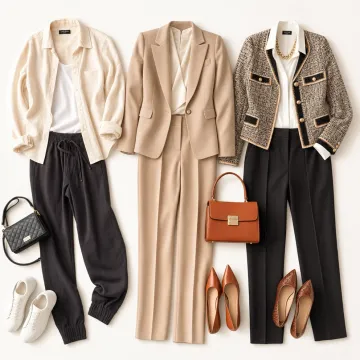
- Urban shoots — structured, modern silhouettes (blazers, tailored trousers) suit hard lines and architecture
By weather:
- Cold — layer with pieces you can remove; thick socks and boots keep everyone comfortable enough to stay expressive
- Heat — breathable natural fabrics prevent visible sweat and wilting
- Rain — bring a backup outfit and avoid fabrics that go transparent or shapeless when wet
By occasion:
- Engagement shoot — romantic and slightly dressed-up
- Professional headshot — polished and structured
- Milestone family portrait — put-together but not stiff
Choose Timeless Silhouettes Over Fleeting Trends
Photoshoot images are keepsakes meant to last far longer than a social post with a 48-hour shelf life. A trendy statement sleeve or an of-the-moment print might look current now but can date a portrait within a couple of years. A simple, well-tailored neutral piece photographs just as well a decade from now as it does today.
Compare:
- Trendy: an oversized graphic-logo hoodie that dates fast and pulls focus from faces
- Timeless: a well-fitted wool sweater in a solid earth tone that stays clean, warm, and relevant for years
Build 2-3 outfit options rather than overplanning every detail:
- A casual, comfortable look
- A dressier option
- One "personality" piece (a favorite jacket, a bold shoe, something that feels like you)
This gives flexibility on shoot day without decision fatigue.
Small Details That Make a Big Difference on Camera
The small stuff is what separates polished photos from "almost there" ones.
- Jewelry: One deliberate focal piece (statement earrings or a bold necklace) beats several competing pieces
- Hair ties and scrunchies: Remove them before the shoot; they show up in candid hand and arm shots
- Shoes: Coordinate color with your outfit, even if they barely appear in frame
- Sunglasses: Take them off periodically so eye contact keeps the photo feeling alive
- Wrinkles: Iron or steam everything the night before; they read stronger on camera than in person
- Fabric texture: A chunky knit or linen weave adds visual interest without stealing focus from your face
Before the shoot, try on the full outfit and snap a quick phone photo in similar lighting. Colors and fit can read differently through a lens than they do in the mirror.
Comfort and Confidence: The Styling Principle Photographers Swear By
Unfamiliar or restrictive clothing shows up in your body language before you even notice it. Tension reads as awkwardness on camera when:
- A stiff collar locks your neck and shoulders
- A waistband digs in when you sit or turn
- Shoes pinch and keep you from planting your feet
Photographers recommend wearing what feels authentic over what looks impressive on a hanger. Pick pieces that highlight a feature you already feel good about—your arms, waist, or legs. That confidence carries through the shoot far more than the outfit itself.
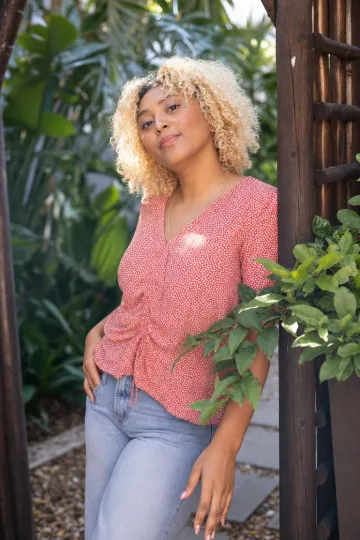
The same principle guides how clothing performs on camera. Stylists trained through Sterling Style Academy certification programs balance personal style with wardrobe palette and contrast choices that strengthen on-camera presence.
When to Bring in a Professional Stylist
Not every shoot needs professional help, but some genuinely benefit from it:
- Milestone shoots — weddings, family portraits meant to last generations
- Executive headshots — where your outfit needs to communicate authority and approachability at once
- Brand photography — content creators, coaches, and speakers building a visual identity
- Decision fatigue — sometimes you just don't want to make one more decision
Trained image consultants bring technical grounding in color analysis, silhouette selection, and personal branding that goes beyond generic "wear neutrals" advice. Sterling Personal Styling, for instance, offers a focused two-hour virtual consultation built around outfit planning for camera—what flatters you, what reads on screen, and what to leave in the closet.
For a multi-look shoot, some people would rather have someone in the room. Sterling also runs personal styling in person, where the stylist works the rack with you, checks fit on the day, and packs the looks in shoot order. That is the difference between a plan on paper and a finished garment bag.
If the images will represent you for years or drive business results, that short investment usually costs less than a reshoot—and far less than living with photos that miss the mark.
Frequently Asked Questions
What are some good outfit ideas for a photoshoot?
Flowy dresses and jumpsuits work well for outdoor and family shoots, while blazers and structured pieces suit headshots and branding photography. Florals photograph beautifully outdoors in natural light. Always match the outfit's formality to the shoot's location and season.
What is the best color to wear for a photoshoot?
Neutrals, pastels, and earth tones generally photograph the most reliably. The right choice still depends on your skin tone, the location's backdrop, and the mood you're going for.
How do you coordinate outfits without matching exactly?
Pick one shared palette of 3-4 colors, then vary who wears which shade and in what pattern. One person can wear a print containing the palette's colors while others wear solids pulled from it.
What should you avoid wearing in a photoshoot?
Skip busy patterns, visible logos, overly trendy pieces, and anything restrictive or uncomfortable. These distract from your face and can date the photos quickly.
How many outfits should you bring to a photoshoot?
Two to three looks is the sweet spot: one casual, one dressier, and one "personality" piece. Unless your photographer requests otherwise, this gives flexibility without overpacking.