Personal stylists used to feel like a luxury reserved for celebrities and red carpets. That's changed. Subscription styling add-ons from major retailers and the rapid growth of online styling services have moved professional style help into the mainstream - the global online personal styling market was valued at $3.15 billion in 2024 and is projected to reach $14.38 billion by 2034.
This guide breaks down what a personal stylist actually does, how the role differs from wardrobe stylists and personal shoppers, what it costs, and how to become one.
Key Takeaways
- One-on-one wardrobe and image guidance tailored to lifestyle, goals, and body type
- Core services cover closet edits, guided shopping, outfit education, and event styling
- Distinct from wardrobe stylists (media/celebrity shoots) and personal shoppers (purchases only)
- Pricing ranges from single sessions under $300 to executive packages over $6,000
- Certification helps aspiring stylists build credibility and attract clients faster
What Does a Personal Stylist Actually Do?
A personal stylist works directly with an individual to select outfits, refine wardrobes, and give advice tailored to their body, lifestyle, and personal taste, the same ground Sterling covers in its image consulting guide. The work can happen in person or virtually.
The Discovery Process
Every engagement starts with a consultation. A stylist typically explores:
- Current wardrobe challenges
- Lifestyle, dressing needs, and the occasions clothes need to cover
- Style identity, aesthetic direction, and personal preferences
- Color direction and fit priorities
- Top wardrobe priorities to tackle first
This session ends with a clear style direction and a wardrobe plan—not a generic list of rules.
Wardrobe and Closet Edits
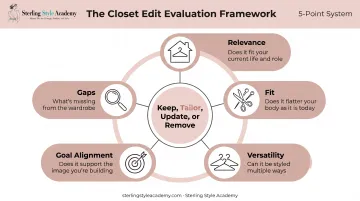
Next comes the closet edit. A stylist reviews each piece against a few criteria:
- Relevance to the client's current lifestyle
- Fit, including which items need tailoring
- Versatility across multiple outfits
- Goal alignment with the client's desired image
- Gaps that keep the wardrobe from working as a whole
The stylist then recommends what to keep, tailor, update, or removeand restyles pieces the client already owns so more of the closet earns its keep.
Personal Shopping With Purpose
Personal shopping isn't a mall trip. A stylist pre-selects pieces before a private fitting session, matching:
- Client proportions and body type
- Personal aesthetic
- Existing wardrobe gaps
- Budget
The point is to buy pieces that plug specific gaps and pair with what's already hanging in the closet, not random purchases that end up returned or unworn.
Some stylists build relationships with boutique owners and sales associates, who may set aside new arrivals or flag upcoming collections. This isn't guaranteed with every stylist, so ask about it directly if it matters to you.

Outfit Building and Style Education
The best stylists don't just hand you outfits. They teach you why certain choices work.
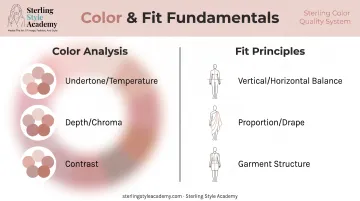
Sterling Personal Styling, for example, uses a proprietary approach called the Sterling Color Quality System (SCQS). Instead of forcing clients into rigid seasonal boxes, it evaluates:
- Undertone and temperature
- Depth and chroma
- Contrast
For fit, stylists walk clients through the structural choices that shape how clothes sit on the body:
- Vertical and horizontal balance
- Proportion and drape
- Garment structure
Clients learn which lines flatter them and why—so they can make smart choices on their own, without a stylist for every purchase.
Special Events and Image Overhauls
Weddings, job changes, career transitions, and other major life shifts often trigger a styling need. A personal stylist can build a complete look for a new role or event, from wardrobe strategy and shopping to final outfit selection.
Typical projects include:
- Event-ready outfits for weddings, galas, and formal occasions
- Interview and onboarding wardrobes for a new job or promotion
- Full image overhauls after a career pivot or major lifestyle change
Demand for this kind of support keeps growing. The global online personal styling services market was valued at $3.15 billion in 2024 and is projected to reach $14.38 billion by 2034, a 16.4% annual growth rate. North America accounts for over a third of that market.
Personal Stylist vs. Wardrobe Stylist vs. Other Titles
Confusion around these titles is common, so clear up the differences before you hire anyone.
| Title | What They Actually Do |
|---|---|
| Personal stylist | Works one-on-one with individuals on wardrobe, outfits, and style advice |
| Wardrobe/fashion stylist | Works on photoshoots, editorial content, or red carpet looks, not everyday clients |
| Personal shopper | Focuses on selecting and purchasing items, per Encyclopedia.com's definition |
| Image consultant | Broader scope, covering appearance, communication, behavior, and personal branding |
Because these titles overlap in casual use, always ask a prospective stylist what's actually included in their service before booking.
Who Should Hire a Personal Stylist?
You don't need to be wealthy or fashion-obsessed to benefit from a personal stylist. Common triggers include:
- Starting a new job or switching careers
- Body changes after weight loss, pregnancy, or aging
- Major life transitions like divorce or relocation
- Feeling stuck in a style rut for years
Those same moments often overlap with career goals. Executives and professionals hire stylists to sharpen personal brand and presence. Harvard Business Review defines executive presence as a mix of gravitas, communication skill, and appearance.
Sterling Personal Styling clients report the same payoff. Chris Richmond said the process gave him a reliable system and left him "far more polished" walking into meetings. Stéphane Arslan-Montreuil noted that virtual styling helped clothing "reflect who I am professionally."
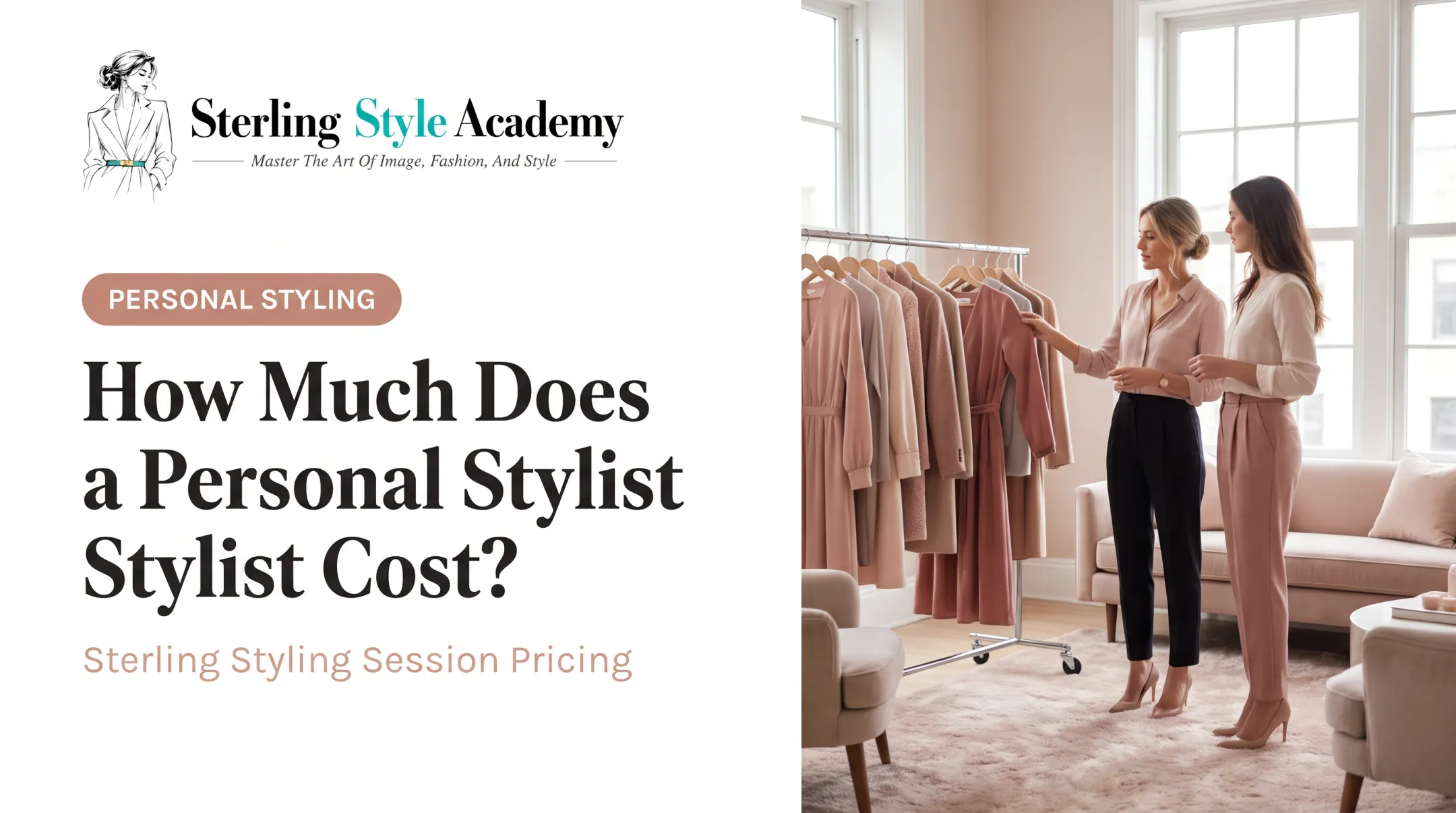
How Much Does a Personal Stylist Cost?
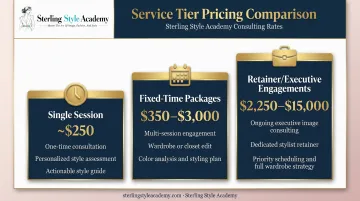
Pricing structures vary, but most fall into three buckets:
- Hourly or per-session rates — Single sessions or online shopping consults often run around $250 for a focused engagement.
- Fixed-time packages — A two-hour styling consultation might run $350–$400, while multi-hour virtual packages range from about $1,000–$3,000 depending on scope.
- Retainer or annual engagements — In-person wardrobe makeovers often run $2,250–$5,000. Executive image programs typically land between $2,500 and $6,000, with high-end annual engagements reaching $15,000.
Weigh the upfront cost against what you'd otherwise waste on returns and clothes that never leave the closet. A well-planned wardrobe usually pays for itself over time.
How to Become a Personal Stylist
A formal degree isn't required to enter this field, but certification builds credibility fast and shortens the trust gap with new clients.
Sterling Style Academy programs cover the skills stylists use with clients—body-shape analysis, color theory, wardrobe planning, personal shopping, consultations, and business-building. Online tracks span 20 modules, from closet editing and personal branding to social media strategy.
Formats include:
- In-person intensives: 3-day to 2-week programs (Fashion Stylist, Personal Stylist, Image Consultant) in cities like New York, Miami, and Dubai ($1,497–$12,497)
- Online self-paced or live-instructor programs: $697–$4,497 depending on depth and format
Beyond certification, practical first steps include:
- Building a portfolio with friends and family as practice clients
- Networking with boutiques and local businesses
- Practicing consultations to refine your discovery process
If you want the formal route instead, Sterling's online personal stylist training and certification program sets out the curriculum, formats, and enrollment steps.
Frequently Asked Questions
How much should a personal stylist cost?
Rates vary widely by experience and package type, from around $250 for a single session to several thousand dollars for full wardrobe overhauls or executive programs. Request a consultation for exact pricing tailored to your goals.
What is the difference between a personal stylist and a wardrobe stylist?
A personal stylist works directly with everyday clients on their personal wardrobe and image. A wardrobe or fashion stylist typically works on photoshoots, editorial content, or celebrity styling instead.
What is the 3-3-3 rule for clothes?
One popular version describes choosing 3 tops, 3 bottoms, and 3 pairs of shoes to create 27 outfit combinations for a set period. It's a minimalist styling exercise, not a formal industry standard.
What are the three C's of personal style?
There's no single agreed-upon definition, but common versions reference comfort, confidence, and creativity (or character). Think of it as a helpful framework rather than a fixed rule.
What does a personal stylist do during a first session?
The stylist discusses your goals, lifestyle, current wardrobe challenges, and color or fit preferences. The session typically ends with a clear style direction and wardrobe plan.
Do I need to be wealthy to hire a personal stylist?
No. Personal styling has become far more accessible through virtual sessions, subscription services, and tiered packages, making it practical for everyday professionals, not just celebrities.